


How Long Does It Take to Fix a Leak?
If you’ve ever experienced a leaky roof, you know it can be a troublesome and expensive problem to fix. Not only can leaks lead to flooding and water damage, but also mold growth, which can further increase the cost of repairs.
Having a leaking roof is disruptive to your daily life, so you want the problem fixed as soon as possible. Fortunately, Universal Roofing is here with the expertise and experience to ensure that your roof stays in top condition.
With years of extensive training and hands-on experience, we are equipped to take on any job related to roof maintenance and repair. From fixing leaky roofs to construction, we offer the highest quality of services at an unbeatable price. But how long does it take to fix a leak?
The answer depends on several factors such as:
1. The severity of the issue
The first factor is the severity of the issue. Is the leak coming from a single area or multiple areas? Are there other symptoms such as mold, sagging ceilings, and/or water spots? These types of questions help contractors determine the extent of repairs that need to be made.
If only minor repairs are needed, then it may take less time than if more extensive damage has been done.
2. Experience level of the contractor
The experience level of the contractor can also affect how long it takes to fix a leaking roof. A more experienced roofer with extensive knowledge of roofing systems and materials may be able to complete repairs more quickly than an inexperienced contractor who doesn’t have much experience in this area. When choosing a contractor, make sure they are knowledgeable and experienced in order to ensure that your repair job will be completed correctly and efficiently.
3. Size of the project
The size of the project is another important factor that affects how quickly a given repair can be completed. A large project, such as replacing an entire roof, may take significantly longer than fixing a small leak due to its complexity and scope. Therefore, it’s important for homeowners to provide detailed information about their project so contractors can accurately estimate how long it will take them to complete it.
Takeaways
Generally speaking, repairs for a small leak can be completed within a few hours depending on complexity. If a larger area needs repair or if several areas need attention, it may take a couple of days or more due to safety considerations and necessary materials. For example, replacing shingles or tiles would require more time than simply replacing a sealant around pipes or ventilation systems.
Universal Roofing is dedicated to delivering excellent customer service while maintaining safety protocols in accordance with industry standards. Our team will evaluate each situation carefully before beginning any work so that we can provide an accurate estimate of the time it will take to complete the task.
We also strive for maximum efficiency so that customers can get back into their homes ASAP without compromising quality or safety standards. When it comes to fixing leaky roofs with Universal Roofing, homeowners are guaranteed professional results from knowledgeable contractors who understand both technical details and customer needs. By utilizing our expertise and high-quality materials along with strict adherence to safety protocols, you can have peace of mind knowing that your roof will soon be strong and secure again, no matter how long it takes! So what are you waiting for? Give us a call today!

The 7 Hottest False Ceiling Designs of 2022
Are you looking for a stylish way to update your home? False ceilings are one of the hottest trends to hit home design. From a subtle decorative touch to jaw-dropping statement pieces, false ceilings can instantly transform your space and increase your home's value.
Whatever your design style and budget, there’s a false ceiling that is perfect for your home! Some of the most popular false ceilings of 2022 include Plaster of Paris, wood, and gypsum.
To inspire you, we've compiled the hottest false ceiling designs of 2022.
-
Ceiling with Hidden Lighting
The concealed lighting system is the best way to make a room feel warm and inviting. It will also add elegance to any space. Ceilings with hidden lighting typically operate alongside the primary lighting in the room rather than replacing it.
False ceilings with hidden lights are quickly gaining traction as one of the hottest home design trends of 2022. The hidden lighting system is a great way to highlight a focal point, such as an eye-catching heirloom or particular space in a room.
-
Two-Tone Ceiling
Plasterboard ceilings are one of the most versatile and simplest ways to create ambiance in a room. Because the look is created through paint, two-tone ceilings can instantly change the aesthetics of a room. For a moody and dramatic feel choose bold or dark colors. If you want a warm and cozy space simply darken or lighten the existing paint color for a two-tone ceiling.
Contemporary looks are achieved by painting the plasterboard false ceiling two distinct colors. Two-toned ceilings let you change the vibe of the room without committing to permanence. However, carefully choose the ceiling's two-tone hue to avoid making the room lookbusy.
-
Geometric Patterns
Modern home decor is characterized by straight, clean lines, simplicity, and elegance without needless preparation. Geometric patterned false ceilings are a signature feature in contemporary design. Square structures, in particular, look fantastic in modern homes. Square geometric false ceilings draw attention to a space, making a room appear more intimate.
-
Circular Ceiling Designs
Straight lines and curved lines can be employed in very diverse ways. As a result, a false ceiling with a circular shape will produce an entirely different feel than one with squares. Curved plasterboard ceilings are more traditional, evoking a timelessness all its own.
Adding elegant ceiling lights into the false ceiling further exemplifies opulence. You’ll find that traditional wooden, circular false ceilings make a beautiful contrast to white ceilings.
-
Wooden False Ceiling
The woodwork on false ceiling designs instantly elevates home design. Intricate carvings on wooden false ceilings add a dramatic and high-end touch to a room. Wooden false ceilings break up the monotony in large homes.
There are many inventive ways to incorporate woodwork into a false ceiling, all of which will produce handsome results. Use a full wooden false ceiling for dramatic results or small accents for a more subtle design feature.
-
Plaster of Paris
Plaster of Paris, sometimes known as POP, is necessary for creating false ceilings. This adaptable material is used to create many different false ceilings in various designs. POP false ceiling designs are a fashionable and popular way to incorporate design details into your home simply and affordably! Dining areas are one of the top places to incorporate POP faux ceiling design.
-
Layered False Ceilings
Visual interest is always produced through layering. To make the ceiling more elaborate, place another layer of POP over the rectangular "tray" appearance.
Create a focal point on your POP artificial ceiling by hanging a trendy hardwood slab low from the center to the top of your dining table.
The best ceiling designs are known for their trendy and alluring design, are budget-friendly, and easy to install.
Need Help With False Ceilings?
Universal Roofing & Construction can help you take your home design to a new level by creating inviting and stylish spaces with false ceilings. False ceilings improve the overall appearance of your home and increase your home's value. The professionals at Universal Roofing are experts in installing false ceilings.
If you are interested in speaking with one of our experts or requesting a free quote, visit our website or call 706-705-5094.
5 Types of Inexpensive Terrace Roofing
Terrace roofing is a great way to update your terrace or patio. Adding an inexpensive terrace roof gives the space a fresh new look and lends way to enjoying your terrace throughout the year.
If you're considering adding a roof to your terrace, you'll want to learn more about the options available. You may have questions such as, "which terrace roofing is best for my space?" or "which terrace roofing will fit my budget?" Use this article as a guide to learn more about inexpensive terrace roofing so you can select the best style for your home.
Let’s get started!
There are two major components to terrace roofing – materials and designs. Glass, wood, and fabric are just a few material options available for terrace roofing. The applications are even more diverse. As a matter of fact, you can often tailor inexpensive terrace roofing to your specific requirements and preferences.
We've curated five types of inexpensive terrace roofing to get you started.
Awning Terrace Roofing
One of the most common types of terrace roofing are awnings. Awnings are simple and low-cost yet still look elegant. The awning itself refers to the overhang frame construction. The roofing materials are waterproof for added protection and easy maintenance. Awning terrace roofing allows you to enjoy your outdoor space even more because they keep your patio shaded during peak sun hours and dry on rainy days. Awnings’ versatility in terms of color and material double as a decorative accent for your terrace.
A fixed awning is typically more economical than retractable awnings. However, retractable awnings are more versatile, letting you uncover the area when you desire.
Stretch Fabric Terrace Roofing
Another incredible way to improve the aesthetics of a terrace is to install a stretch fabric roof. With its adjustable suspension and beautiful finish, this sail-like stretch fabric is perfect for showcasing the terrace's ambiance through a medley of rich and distinctive materials.
Light and airy for the summer, stretch fabric roofing provides an alternative to the sunshade. Stretch fabric terrace roofing is popular in windy regions. The versatility of the suspension system means that a sail can be used as a terrace roof in various configurations, depending on the needs of the space and your budget. With the right fabric, a sun sail can even double as a rain cover.
Vine Terrace Roofing
With one section joined directly to the house and the other supported by either wooden or metallic pillars, vine roofing is quick and easy to install. The growth of the vines that shade the terrace contributes to its charming rustic style giving the space a sense of intimacy.
One of the major advantages of vine terrace roofing is the sheer number of vine plants available for selection. The downside to vine roofing is the time it takes for the vines to fully cover the terrace. And it needs to be groomed on a regular basis. However, the results don't disappoint. Couple the aesthetics with vine terrace roofing’s affordability and you can’t go wrong adding this roofing style to your home!
Wooden Rail-Style Terrace Roofing
Wooden rail-style terrace roofing has a uniqueness all its own – and the results are jaw-dropping. This style of terrace roofing gives unobstructed exposure to sunlight and warmth, making it ideal for warding off winter's chill with an infusion of uplifting, revitalizing heat and light.
Wooden rail-style terrace roofing requires a small amount of wooden materials and is considerably easy to install. Of course, hardwoods like oak or teak are preferred for their durability and ability to withstand harsh weather. Wooden rail-style terrace roofing is one of the best-valued roofing options for your terrace.
While the wooden roofing layout is ideal for homes in tropical climates – placed near a garden or the pool – metallic/steel material is more versatile. The steel rail-style roofing adds a modern flair and can even be painted to give your home the look you desire.
Reed Roofing
Tatching or reed roofing is the process of layering dried natural materials like palm branches, sedges, rushes, wheat reed, or straw to build a solid roof that can repel sunlight and water. It's inexpensive and inviting. Many people prefer reed roofing because it is sustainable and eco-friendly.
However, the materials needed for reed roofing, primarily naturally sourced materials, may be difficult to find in your area. Fortunately, some manufacturers produce synthetic versions of reed roofing materials that are still economical and easy to install.
It's important to consider that the actual terrace roofing cost depends on variables such as the size of your terrace, material selection, labor costs, shipment costs, and so forth. If you want to discuss the terrace roofing options best suited for your home and budget, we can help! Visit our website to schedule a consultation or get an estimate. At Universal Roofing, we are experts in all types of roofing. And we are always ready to help, whether you need a free roof inspection or a bit of friendly advice.
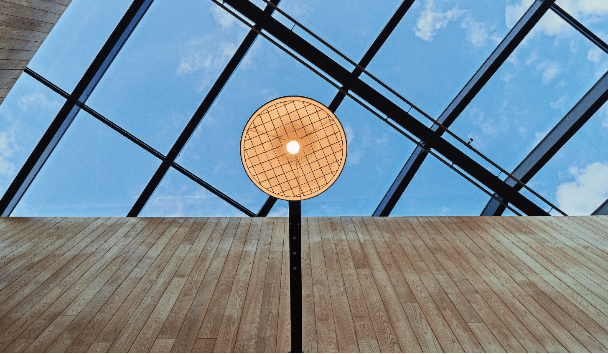
8 Types Of Beautiful Modern Ceilings That Are Easy To Install - An Ultimate Guide!
When it comes to home decoration, ceilings are usually overlooked. However, a unique ceiling can add an element of sophistication to any room. An innovative, modern ceiling design does wonders for the aesthetics of a home and increases resale value.
Modern ceilings are becoming increasingly popular today because they are an inexpensive way to give rooms a fresh, updated look. In addition, modern ceilings are versatile, beautiful, and provide sound insulation.
If you’re considering home renovations you’ll want to add modern ceilings to your list. Use this helpful guide on beautiful, modern ceilings and you'll be on your way to improving the overall ambiance of your room.
If you have questions on ceilings and how they tie into your roof, call the professionals at Universal Roofing. They are experts at home repair and can help you with the process.
Here’s a quick guide to beautifully modern ceilings.
8 Types Of Modern Ceilings
- Coffered ceiling
A coffered ceiling is a group of recessed panels, usually rectangular and square. These ceilings are often used in high-end homes, hotels, churches, and libraries. Coffered ceilings give homes a classic, even luxurious aesthetic as well as adding structural strength to the ceiling. The term “coffered” means indention. Coffered ceilings use upward indentions framed by beams arranged in a grid pattern of rectangle, square, octagons, or other polygonal shapes. Expect to pay between $3 to $30 per square foot for a coffered ceiling.
2. Tray Ceiling
If you’re going for a simple, clean look, tray ceilings are ideal. Tray ceilings actually look like an upside down tray. The cost of tray ceilings, also referred to as “recessed” or “inverted” ceilings, averages $3 to $9 per square foot. With each added step or "level" around a raised center, tray ceilings lower themselves, creating a three-dimensional effect. They can add dramatic effects to a space and even make rooms appear to have higher ceilings.
3. Cathedral Ceiling
A cathedral is a flat ceiling with a raised central point that resembles the ceiling of a cathedral. Cathedral ceilings are known for their inverted V-shape, with a peak at the tip and a slope on the sides. These ceilings are often used in dining rooms, living rooms, and bedrooms. Using wood for cathedral ceiling variety also helps reduce energy costs and regulate the temperature in your space. Cathedral ceiling panels run about $10 to $20 per panel.
4. Coved Ceiling
You don’t see many coved ceilings these days, but they are a fun way to add architectural detail to a room. The cost of coved ceilings average $3 to $30 per square foot. Coved ceilings are rounded, curved framing detail where the wall and ceiling meet. The coved ceiling is a simple yet powerful design that eliminates the hard 90 degree angle giving a room a softer feel. These ceilings look great in any room and eliminate the need for crown molding. Moreover, its installation is very easy and quick.
5. Barrel Vault Ceiling
Barrel vault ceilings are one of the most popular ceiling options in modern homes. A barrel vault ceiling is a style that resembles a large wine barrel giving a room a tunnel-like feel. It's a simple design, but presents with great sophistication. Barrel vault ceilings have a slanted, vertical wall on one side and a curved ceiling on the other. The slant creates a visual illusion of depth. This is a beautiful ceiling that you can use to create a sense of grandeur in your living room. The cost of a barrel vault ceiling is roughly $18,000 to $25,000.
6. Astroid Curve Ceiling
An astroid curve ceiling gives a modern transitional look to homes. The curved lines and carved-out design creates an eye-catching focal point in any room. There are multiple astroid curve ceilings including Alpha, Omega, or starburst. You can even design your own astroid curve ceiling. Astroid curve ceilings can be used on both tray and flat ceilings. It's a classic modern ceiling that can add an elegant touch to your living room.
7. Dropped Ceiling
A dropped ceiling is a center panel that hangs below the main structural ceiling. Also referred to as “suspended” ceilings, a dropped ceiling can be achieved with drywall or drop. The average cost of a dropped ceiling is $6.00 per square foot. Removing dropped ceilings is easy, so repairs and inspections can be performed.
8. Stretch Ceiling
Stretch ceilings, or suspended ceilings, are made of two basic components: a perimeter track and a lightweight fabric membrane attached to the track. The great thing about stretch ceilings are they don’t require surface preparation, are non-toxic, unaffected by moisture, easy to clean, and easy to install. Expect to pay about $6 to $10 per square foot for a stretch ceiling.
Conclusion - The Bottom Line!
There are many types of beautiful modern ceilings. From classic and rustic to contemporary and futuristic, decorative ceilings are a great way to give your home a modern, updated look. The type of modern ceiling you choose will depend on your personal taste, budget, and room style.
If you are looking to have a decorative ceiling installed, call the friendly experts at Universal Roofing. We can expertly install your ceiling at affordable prices, giving your home a fresh style.
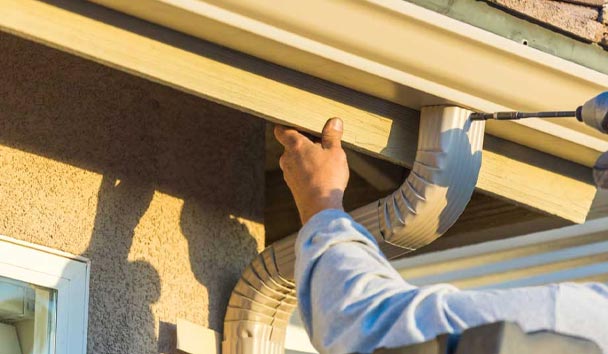
Gutter Replacement in GA Price: A Cost-effective Solution for Your Home
As a homeowner in GA, you know that there are always going to be repair and replacement costs associated with keeping your home in good condition. One area that you may not think about very often is your gutters. However, the reality is that your gutters play a vital role in protecting your home from water damage. If they become damaged or worn, they can no longer do their job properly. This can lead to serious problems like water leaks, foundation damage, and even mold growth.
The good news is that gutter replacement is a relatively simple and cost-effective solution. Replacing your gutters will not only improve the appearance of your home but will also help to protect it from future water damage. There are a few things to keep in mind when you are considering a gutter replacement in GA:
1. Materials
First, you will need to choose the right materials for your home. There are a variety of options available, and each has its own set of advantages and disadvantages. For example, aluminum gutters are lightweight and won't rust, but they're also more susceptible to denting. Vinyl gutters are durable and easy to install, but they can become brittle in cold weather. Moreover, concrete gutters are extremely durable, but they're also very heavy and expensive.
Ultimately, the best material for your gutters will depend on your specific needs and preferences. So be sure to do your research before making a final decision.
2. Seamless vs sectional gutters
You will also need to decide whether you want seamless or sectional gutters. Seamless gutters are more expensive but are less likely to leak than sectional gutters. This makes them a good choice for homes in Atlanta, where heavy rains are common. However, sectional gutters are easier to install and can be a better option for budget-minded homeowners.
3. Reputable contractor
Once you have chosen the type of gutters you want, you will need to find a reputable contractor who can install them properly. You want someone who is experienced and knowledgeable, and who will be able to install your new gutters correctly. In Atlanta, Georgia, there are a number of different contractors to choose from. But how do you know which one is right for you? Here are a few things to keep in mind:
- First, ask around for recommendations. Talk to your friends, family, and neighbors and see if they have any recommendations for contractors in the area.
- Second, once you have a few names, do some research. Check out online reviews and see what other people have said about their experiences with the contractors you're considering.
- Finally, make sure you get several estimates before making a decision. This will help you ensure that you're getting the best possible price for your gutter replacement project.
With these three simple tips, you'll be able to find a reputable contractor who can get the job done right.
4. Installation
You'll need to make sure that your new gutters are properly installed. With a little careful planning, you can ensure your gutter replacement goes smoothly and protects your home for years to come.
In Atlanta, Georgia, we know a thing or two about rain. And we also know that gutters play a crucial role in keeping our homes safe from water damage. That's why it's so important to make sure that your gutters are in good condition and up to the task of protecting your home.
With a little research and planning, you can easily find the perfect solution for your home’s needs.
How to identify if the gutters need to be replaced?
If you're not sure whether or not your gutters need to be replaced, there are a few signs to look for. If they're sagging or pulling away from your home, if they're leaking or overflowing during heavy rains, or if they're simply old and decrepit, then it's time for a replacement.
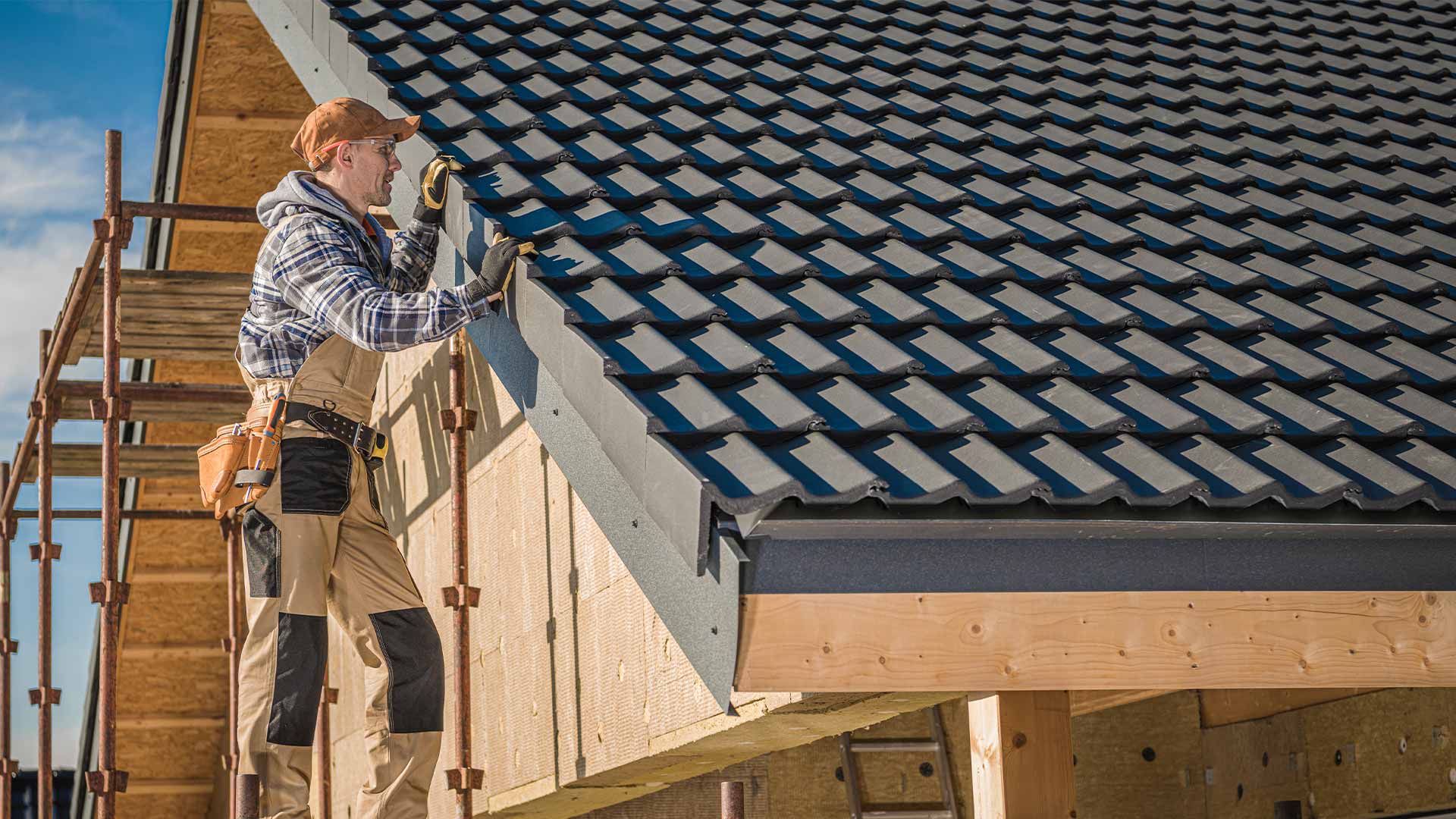
How to Choose the Best Roof for Rainy Climate?
As any homeowner knows, the roof is one of the most important components of the house. It protects against the elements and helps to keep the interior of the home dry and comfortable. With so much riding on the roof, it's important to choose wisely when it comes time to select a new one. But with so many different types of roofs on the market, how do you know which one is right for you? Here are a few things to consider when choosing the best roof for a rainy climate:
1. Material
The first thing you'll want to look at is the material of the roof. Traditional asphalt shingles are not always the best choice for a rainy climate, as they can become saturated and start to leak. Metal roofs are a great option for rainy climates, as they are impervious to water and won't rot or mildew over time. You'll also want to make sure that any seams or valleys in the roof are properly sealed to prevent leaks.
2. Slope
Another important consideration is the slope of the roof. A steeper slope will help water run off more quickly, while a shallower slope will allow water to pool on the surface which can lead to leaks and damage over time. If you live in an area with high rainfall, you'll want to choose a roof with a steep slope to help prevent water infiltration.
3. Ventilation
In a rainy climate, it is especially important to have a well-ventilated roof so that moist air can escape. This will help to prevent mold and mildew from growing on your roof over time. Well-ventilated roofs also tend to be cooler in the summer, which can help to keep your energy bills down. When choosing a new roof, be sure to ask about ventilation options so that you can make the best decision for your home.
4. Warranty
Finally, you'll want to choose a roof that comes with a good warranty. In a rainy climate, your roof will be exposed to more wear and tear than in other areas, so it's important to choose a product that is backed by a manufacturer's warranty. This will ensure that you can get repairs or replacements if necessary.
By taking these factors into consideration, you can have the best roof for your home and prepare it for the rainy climate.
What is the Best Roofing material for Rainy Climates?
In a rainy climate, a metal roof can be the best choice for your home. Metal roofs are extremely durable and can withstand heavy rains and high winds. They are also fire resistant and can help to reflect heat away from your home, keeping it cooler in the summer. In addition, metal roofs are available in a variety of styles and colors, so you can find one that complements the aesthetics of your home. When it comes to choosing a roofing material for a rainy climate, metal is the clear winner.
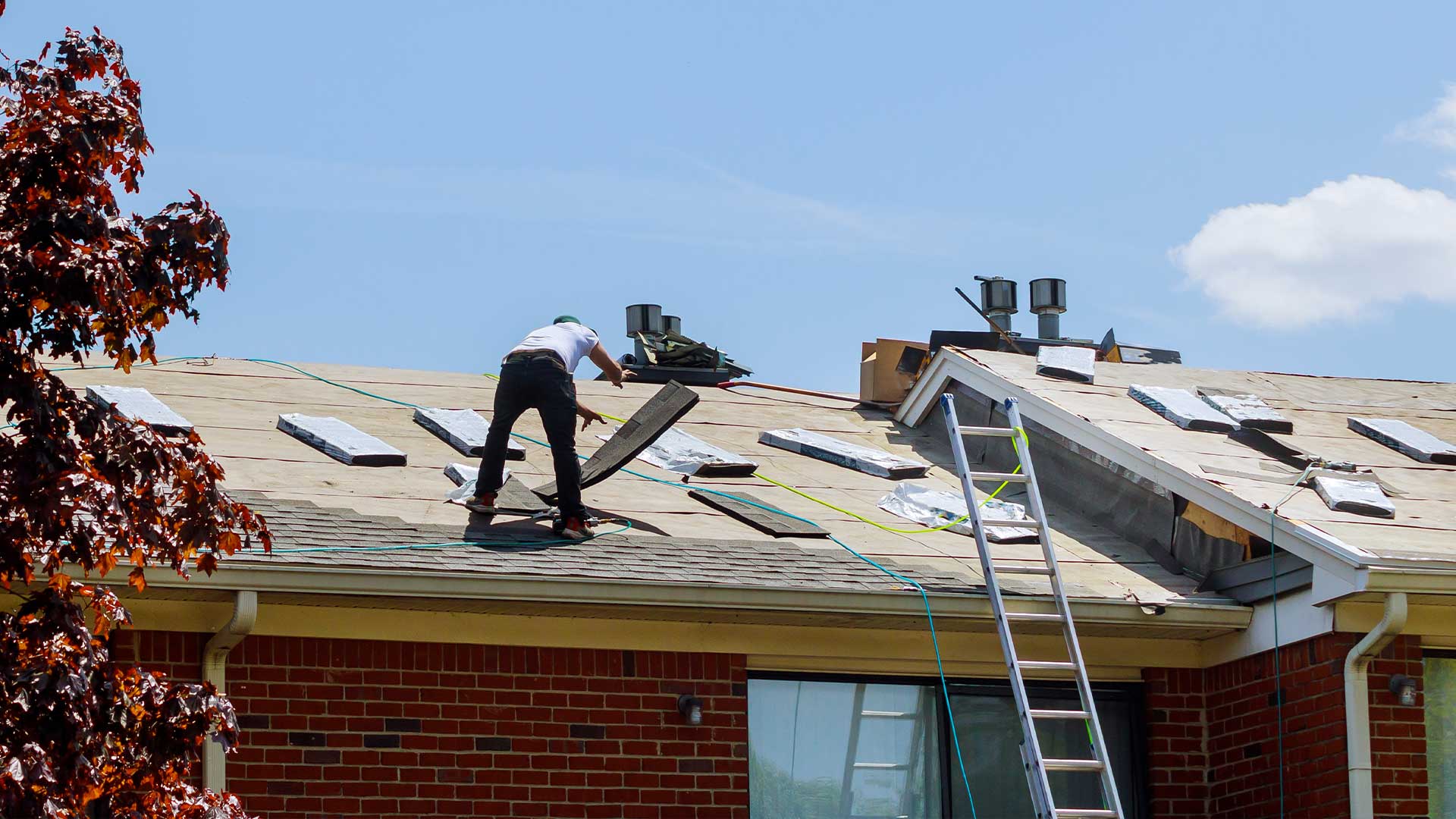
The 5 Most Popular Roofing Materials
As any experienced homebuilder will tell you, the roof is one of the most important components of a house. Not only does it provide protection from the elements, but it also has a major impact on the overall appearance of the home. When choosing a roofing material, there are many factors to consider, including durability, cost, and maintenance requirements. With so many options on the market, it can be hard to know where to start. To help you narrow down your choices, here is a look at five of the most popular roofing materials.
1. Asphalt shingles
Asphalt shingles are one of the most popular roofing materials on the market. They're made from a fiberglass mat that's been impregnated with asphalt and then covered with mineral granules. Asphalt shingles are available in a variety of colors and styles, making them a popular choice for both new construction and home renovations.
One of the main advantages of asphalt shingles is that they're relatively inexpensive. They are also easy to install, which makes them a popular choice for DIY projects. However, one of the main disadvantages of asphalt shingles is that they're not as durable as other roofing materials. Asphalt roofing will typically last for 20 to 30 years, but it can be damaged by high winds and hail. Asphalt shingles also require more maintenance than other roofing materials. For example, you'll need to clean your gutters more frequently to prevent them from clogging with granules from the shingles. You'll also need to inspect your roof regularly for signs of damage.
If you live in an area with severe weather conditions, you may want to consider another roofing material such as metal or tile.
2. Metal roofs
Metal roofs are becoming increasingly popular due to their longevity and energy efficiency. Metal roofs can last for decades with proper maintenance, and they reflect heat away from the home, which can help lower cooling costs in warm climates. Metal roofs are made from a variety of materials, including aluminum, steel, and copper. They're also available in a range of colors and styles, so you can find an option that fits your home's aesthetic.
However, metal roofs can be more expensive than other roofing materials, are quite loud during rainstorms, and may require special installation techniques. But if you're looking for a roof that will stand the test of time, metal roofing is a great option.
3. Tile roofs
Tile roofs have been used for centuries due to their enduring beauty and fire-resistant qualities. Tile roofs come in a wide range of colors and styles, making it easy to find the perfect look for any home.
In addition, tile roofs are extremely durable and can last for decades with proper care. Although tile roofs can be quite heavy, reinforcement during installation can help to ensure that the roof will withstand the weight. With so many benefits, it’s no wonder that tile roofs are one of the most popular choices for homeowners.
4. Slate roofs
Slate roofs are another popular choice for homeowners due to their beauty and longevity. Slate roofs can last for centuries with proper maintenance, and they are available in a variety of colors and styles.
However, slate roof tiles can be quite fragile and may need to be replaced more often than other materials. As a result, homeowners should weigh the pros and cons of slate roofs before making a final decision.
5. Solar panels
Solar panels are an excellent choice for homeowners who are looking to reduce their carbon footprint. Solar panels convert sunlight into electricity, which can then be used to power your home. Not only will you be saving money on your energy bill, but you'll also be doing your part to help the environment.
Solar panels can be quite expensive to install, but they will eventually pay for themselves through the money you save on your energy bill. Maintenance costs can also be quite high, but solar panels are designed to last for many years with minimal upkeep. If you're looking for a way to save money and help the environment, solar panels are a great option.

How to find the best roof contractor | Universal Roofing
When it comes to your roof, hiring a roofing company that is reputable, experienced, and professional is extremely important. Your roof is one of the most important parts of your home. It protects you and your family from extreme weather conditions, including hail, ice, branches, and rain. And, a new roof is a long-term investment, so it’s extremely critical to find the best roofing contractor in your town.
By maintaining, inspecting, and caring for your roof, you can extend its lifespan and prevent unnecessary damage to your home. So, if you're trying to find a good roof contractor, you've come to the right place. Here, we share tips to help you find the best roof contractor for your home.
Whether you need a total roof replacement or just need some repairs, Universal Roofing can help you with all of your roofing needs. When you call Universal Roofing, you'll be greeted by a friendly and experienced customer service representative who will walk you through the entire process.
Pro Tips To Find The Best Roof Contractor
1. License
Be sure that your roofing contractor you hire has the proper state license to work on your property. Be wary of contractors that don't have the required paperwork to do the job. A reputable roofing contractor will be able to provide a license to do the work you need on your roof.
2. Insurance
Ask the roofing company that you will be working with about the insurance coverage on the roofer. Make sure that the company has liability insurance on their roofers in case of an on-the-job injury. You do not want to be responsible for any accidents or damages that may occur while they are on your roof.
3. Check Online Reviews
You can check online reviews on different websites to see if the roofing contractor you are hiring is reputable. Many people share their experiences with others through online reviews. These reviews provide unbiased feedback so that you can feel confident in the roofing company that you choose.
Why Is Universal Roofing The Best Roof Company?
Universal Roofing is a trusted name in the roofing industry. Our professional roofing contractors have been providing quality services to homeowners for over a decade. We are fully licensed and insured, so you can feel confident that you are working with an established and reliable roofing company. Unlike most roofing companies, we live where we work. Our team of six roofing crews and 26 project managers are out and about everyday. We see our customers at the grocery store, our kids games, and events around town so it’s extremely important that we live up to our stellar reputation. Your community is our community. The relationships we develop with our customers and our community mean more to us than simply meeting sales goals. We know that our business was built on our commitment to serving our customers and providing quality work that we can feel proud of.
In addition, we are bonded and have passed all of the necessary inspections required by law. Our fully insured roofers can give you a step-by-step explanation of the repair process and help you make the right decision for your home.
How To Choose the Best Roofing Contractor?
Now that you know how to choose a licensed, bonded and insured roofing contractor, how do you choose among the many roofing companies out there? Here are a few questions to ask on your quest to find the best roofing contractor.
How long has the roofing company been in business?
Reputable roofing companies have been in business for a few years. Do some research to find out how long the roofing contractor has been serving your community. Chances are if they have on been in business for a few months or a year, you want to continue your search.
Document financing agreements
Professional roof installation companies provide knowledgeable employees who explain the financial contract and document everything professionally. As a result, there should be no confusion or ambiguity in the agreement.
What if something goes wrong?
Perhaps you don't think this question is important. But, you need to be aware that sometimes things don’t go as planned. You might think the roofing company has insurance, but that's not enough. You need to make sure that the insurance covers the job you hired the company to do. Therefore, you should read the warranty carefully and make sure that it covers everything.
In conclusion, the success of a roofing project depends on the quality of work performed by the roofing contractor. It is extremely important that you choose a roofing company that provides excellent customer service and reliable roofing services. With Universal Roofing, you can be assured that you will receive a quality roofing project at an affordable price.
Meta Description: Looking for a roofing contractor with the best reputation? Universal Roofing provides the highest quality roofing services and has the knowledge and experience to repair and replace roofs.
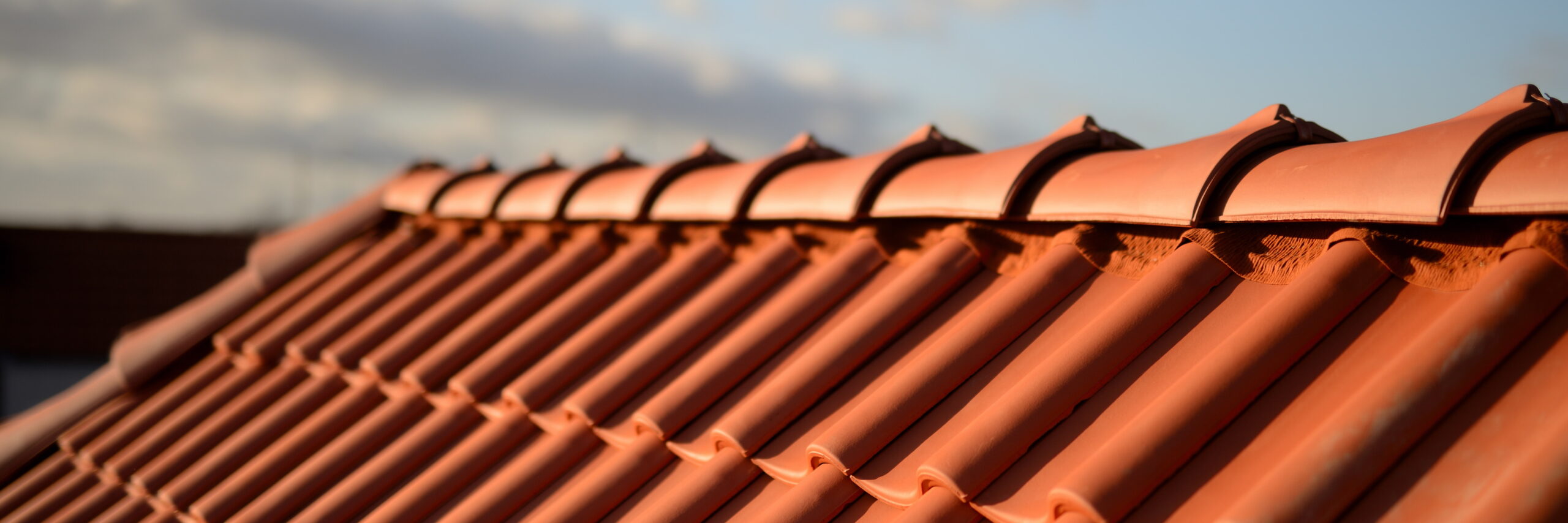
Best roofs for rainy climates
Does your locality often experience heavy rains? Selecting an ideal roofing material can keep your home protected from water damage and withstand extreme rain storms. The following are some of the best roofs for rainy climates.
Wood shingles and shakes
Wood shingles and shakes are ideal roofing materials that can withstand harsh rainy conditions. Wood shingles are a more sustainable eco-friendly roofing option if you prefer green roofs. Wood shakes and shingles can be specially treated to resist moisture and rot. However, without treatment, wood shingles and shakes could rot.
This type of roofing also provides a unique natural look that enhances your home’s curb appeal. Wooden shingles and shakes have excellent insulation properties that can help you cut down on utility costs.
Metal roofing systems
Metal roofs can resist extreme rain storms, wind, hail, and winds. This makes metal roofing an excellent option for protecting your home. When sealed properly, metal roofs are waterproof and can keep your home moisture and mold-free.
Metal roofs are effective against mold, algae, and rot and can last for about 50 years. This type of roofing system requires little or no maintenance which makes them a suitable roofing option for rains and hailstorms.
Clay tiles
Clay tiles can protect your home against heavy rains while still maintaining their aesthetic value. Clay tile roofs can last for about 50 years and require little maintenance.
This type of roofing is available in a wide array of colors and designs and can improve the curb appeal of your home. Clay tiles are also recyclable which makes them a more sustainable roofing solution.
However, clay tiles are susceptible to cracking when exposed to extremely cold temperatures. They also require some degree of maintenance to prevent mold formation. Since clay tiles are heavy, your foundation should have the capacity to support your roof.
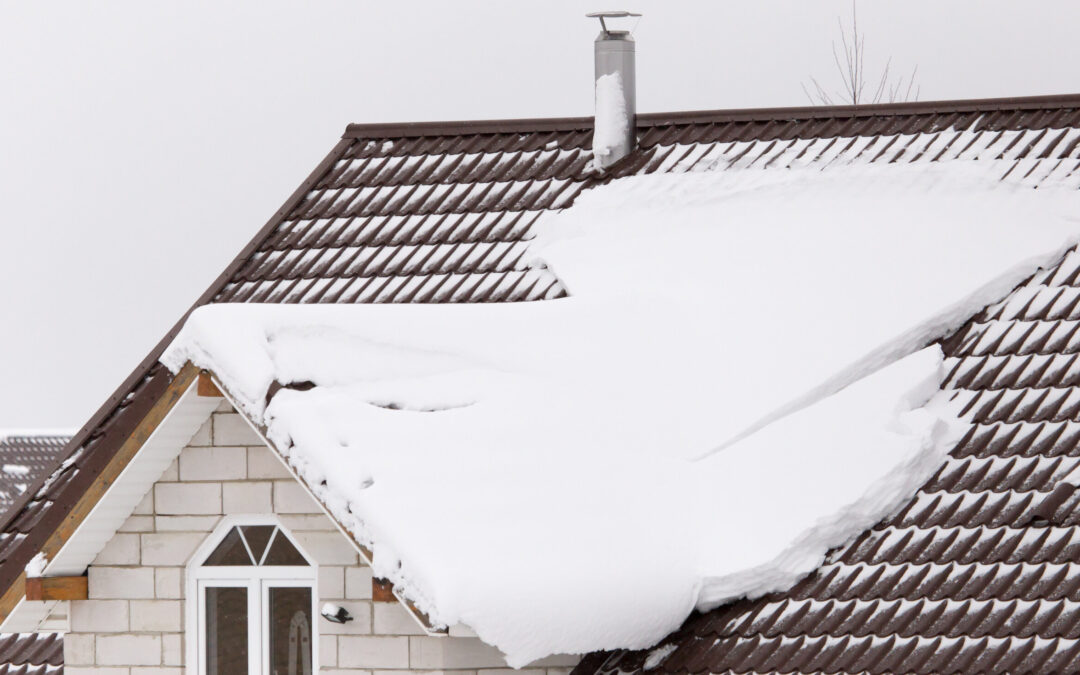
Best roofs for cold climates
If you live in cold climatic regions, you should consider selecting a roofing material that can withstand harsh weather conditions. Try to choose a roof that can provide an extra layer of protection during snow storms, extreme winds, hailstorms, and more. Below are some of the best roofs for cold climates.
Metal roofs
Metal roofing is highly durable and can withstand harsh elements from severe snow storms to wind storms. Snow can also slide off metal roofs minimizing the risk of snow accumulation and ice dam formation.
Metal roofing also prevents leaks when sealed properly thus providing maximum property protection from weather elements. However, metal roofs are not good insulators and cannot keep your home warm during extremely cold weather. You should consider installing additional insulation material to prevent heat loss and reduce energy bills.
Slate roofs
Slate roofing is made from natural stone which is effective against cold climatic conditions. A slate roof can also withstand extreme winds, hails, and fire. Slate tiles are highly durable and can last for about 100 years. Slate roofs are very dense and can withstand heavy weights of snow.
With a slate roof, you don’t have to worry about insulation because the roofing material has great insulation properties. Slate roofing protects your home from cold weather while keeping you warm. This way, you can save on energy costs since your heating system doesn’t have to overwork.
However, slate roofing is heavy and difficult to install. You might also incur extra costs with slate roofing as it requires extra structural support to hold the weight.
Fiberglass asphalt shingles
Fiberglass asphalt shingles can effectively withstand cold climates. Asphalt shingles are also relatively durable and can efficiently insulate your home and prevent heat loss. Asphalt shingles are also easy to install and can improve the aesthetic value of your home.
However, fiberglass asphalt shingles can become brittle and crack during harsh winter conditions. Fiberglass asphalt roofs also have a shorter lifespan compared to other roofing materials like metal, or slate roofing. Asphalt roofing requires regular maintenance to maintain the functionality and structural stability of your home.