


5 Signs Your Roof May Be Failing
Introduction
Your roof is one of the most important parts of your home. It protects your house from rain, wind, heat, and severe weather. However, like any part of a home, roofs eventually wear out over time.
For homeowners in Georgia, changing weather conditions and seasonal storms can put additional stress on roofing materials. Recognizing the early warning signs of roof failure can help you avoid expensive repairs and protect your home from serious damage.
Here are five common signs that your roof may be failing.
- Missing or Damaged Shingles
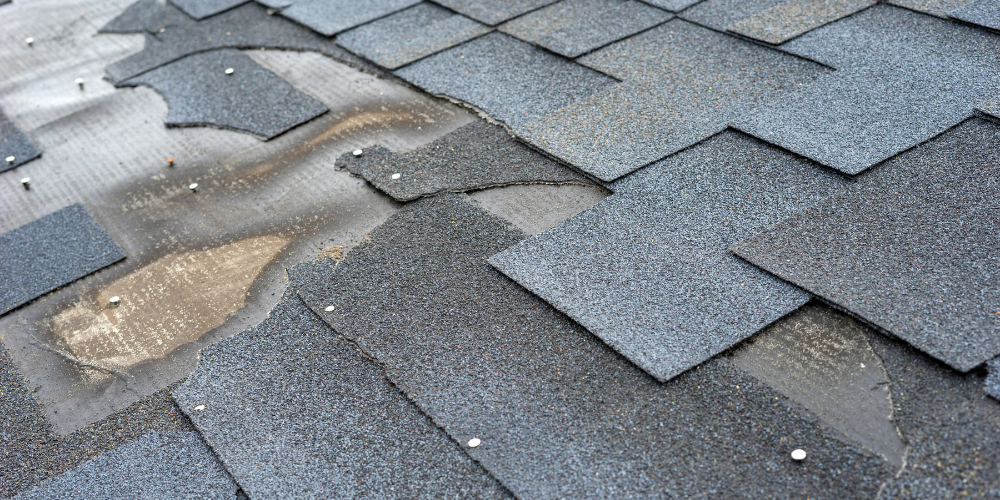
Shingles are the outermost layer of protection on most residential roofs. If shingles become damaged or go missing, your roof becomes more vulnerable to water intrusion.
Signs of shingle damage include:
- Curling or buckling shingles
- Cracked or broken shingles
- Shingles missing after storms
- Loose or lifted shingles
When shingles are compromised, water can penetrate the roof system and cause damage to the underlying structure.
- Granules Collecting in Gutters
Asphalt shingles contain protective granules that help shield the roof from sun exposure and weather damage. Over time, these granules can begin to wear off.
If you notice large amounts of granules collecting in your gutters or downspouts, it may indicate that your shingles are nearing the end of their lifespan.
Granule loss reduces the roof’s ability to protect against UV rays and can accelerate deterioration.
- Roof Leaks or Water Stains
One of the most obvious signs of roofing problems is water entering your home.
Signs of a roof leak may include:
- Water stains on ceilings or walls
- Damp attic insulation
- Dripping water during rainstorms
- Mold or mildew growth
Even small leaks can lead to larger structural issues if they are not addressed quickly.
- Sagging Roof Areas
A sagging roof is a serious issue that should be inspected immediately. Roof sagging can indicate problems with the roof decking or the structural components supporting the roof.
Common causes include:
- Long-term water damage
- Rotting wood
- Structural weakening
If any part of your roof appears uneven or droops, it’s important to contact a professional roofing contractor right away.
- Your Roof Is Over 20 Years Old
Most asphalt shingle roofs last 20–25 years, depending on the quality of materials and installation.
If your roof is approaching or exceeding this age range, it may be time to start considering replacement. Older roofs become more susceptible to leaks, storm damage, and material breakdown.
Regular inspections can help determine whether repairs are still effective or if replacement is the better option.
Why Regular Roof Inspections Matter
Many roofing issues start small and gradually become more serious. Routine roof inspections allow homeowners to catch potential problems early and prevent costly repairs.
Professional inspections can identify hidden damage that may not be visible from the ground.
Conclusion
Your roof plays a vital role in protecting your home and family. Recognizing the early warning signs of roof failure—such as missing shingles, leaks, and aging materials—can help you take action before major damage occurs.
If you notice any of these issues, scheduling a professional inspection can help determine the best solution and keep your home protected.

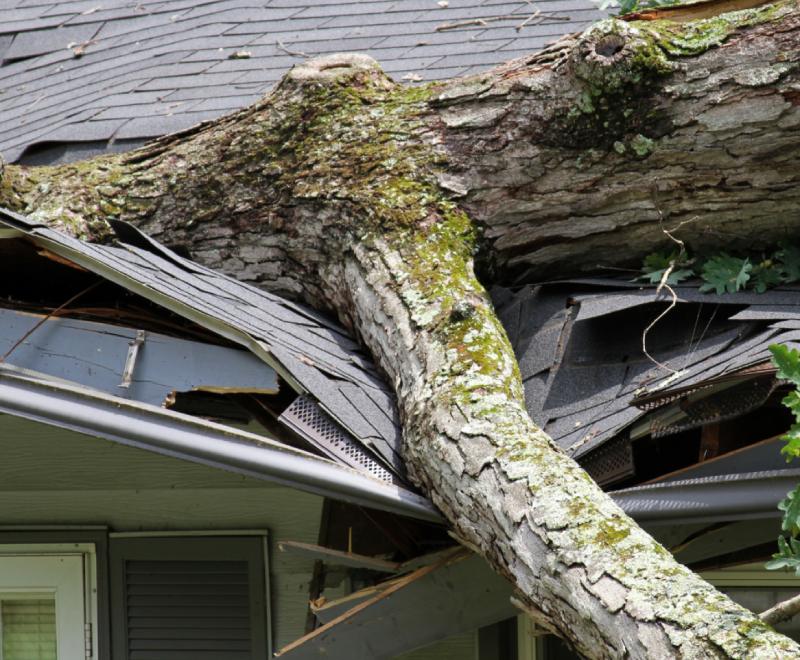
How Weather (Hail, Wind, Snow) Affects Your Roof
Your roof is your home’s first line of defense against the elements. Every season brings different challenges that can slowly — or suddenly — take a toll on your roofing system. Understanding how hail, wind, and snow affect your roof can help you spot potential issues early and avoid expensive repairs down the road.
How Hail Damages Your Roof
Hail may look harmless as it falls from the sky, but it can be surprisingly destructive to asphalt shingles.
Common hail-related damage includes:
- Cracked or fractured shingles
- Loss of protective granules
- Bruised shingles that weaken over time
The tricky part is that hail damage isn’t always obvious from the ground. Even small hailstones can shorten your roof’s lifespan, which is why a professional inspection after a storm is often a smart move.
How Wind Affects Your Roof
Strong winds are one of the most common causes of roof damage.
Wind can:
- Lift or loosen shingles
- Tear shingles completely off
- Expose underlayment and make your roof vulnerable to leaks
Older roofs or poorly installed shingles are especially susceptible to wind damage. What may start as a small problem can quickly turn into a major leak if left unaddressed.
How Snow and Ice Impact Your Roof
Snow and ice present a different kind of threat.
When snow accumulates on your roof, it adds extra weight that can stress the structure of your home. More importantly, melting and refreezing can create ice dams along the edges of your roof.
Ice dams trap water, forcing it under shingles and into your attic or walls — leading to:
- Ceiling stains
- Mold growth
- Structural damage
Proper attic insulation and ventilation play a key role in preventing these issues.
How These Elements Work Together Over Time
Hail, wind, and snow don’t just damage roofs individually — their effects often build on one another.
For example:
- Hail weakens shingles
- Wind loosens them further
- Snow and ice then allow water to penetrate damaged areas
This is why small, unnoticed problems can eventually turn into major repairs.
What Homeowners Should Do After a Storm
If your area experiences severe weather, consider taking these steps:
- Look for obvious damage from the ground (missing shingles, debris, etc.).
- Check your attic or ceilings for signs of leaks.
- Schedule a professional roof inspection.
- Document any visible damage if you plan to file an insurance claim.
Final Thoughts
Weather is unavoidable — but serious roof damage doesn’t have to be. Regular inspections and timely repairs can help protect your home and extend the life of your roof.
If your home or business has recently experienced a storm, consider scheduling a professional roof inspection to catch potential issues before they turn into costly repairs.
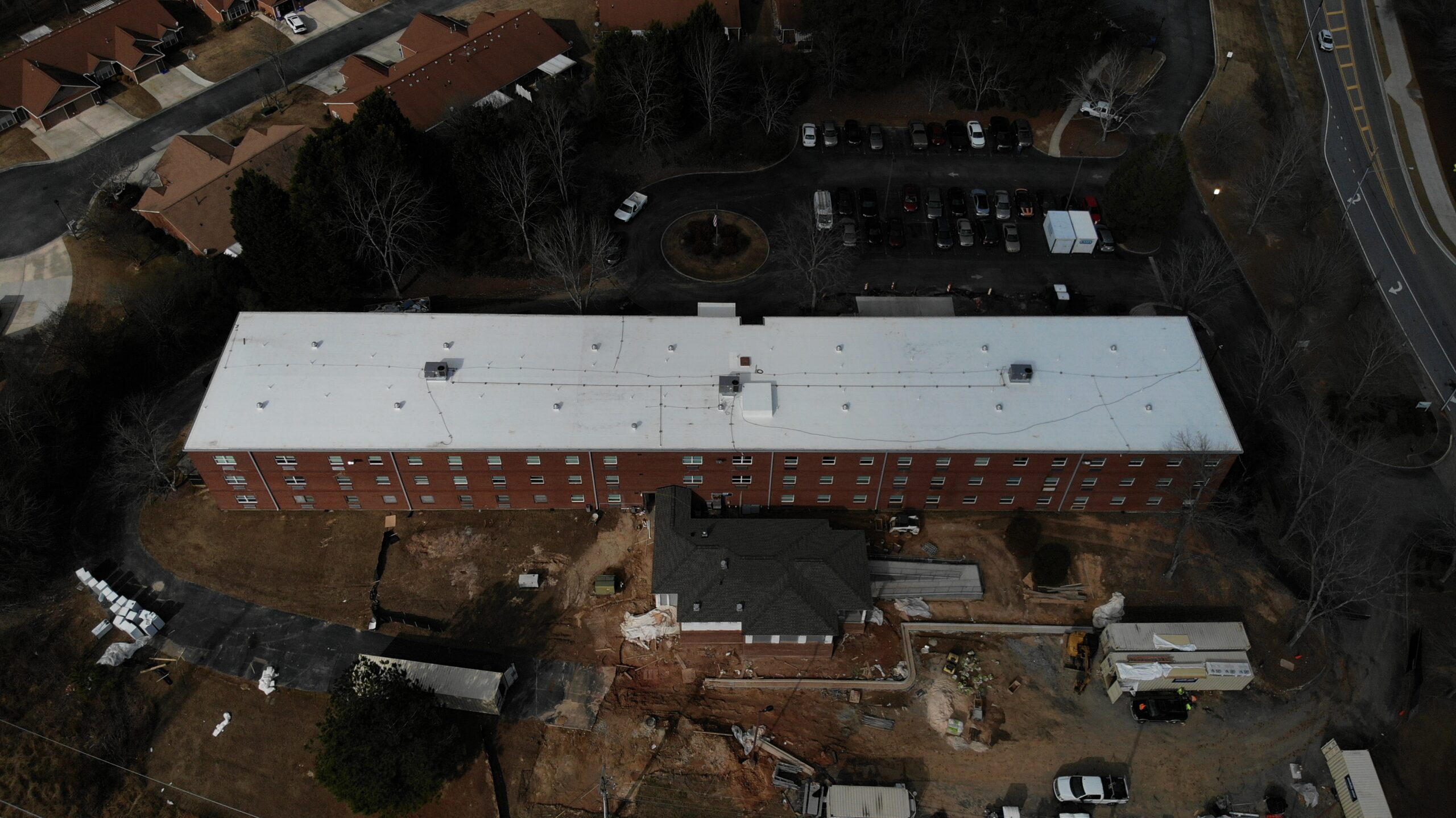
How Weather Impacts Commercial Roof Systems Differently Than Residential
Commercial and residential roofs may serve the same basic purpose — protecting a building from the elements — but they are very different in design, materials, and how they respond to weather. Because of these differences, storms and seasonal changes can affect commercial roof systems in ways that most homeowners never have to consider.
Understanding these distinctions helps business owners, property managers, and facilities teams make smarter decisions about maintenance, inspections, and long-term roofing investments.
Flat vs. Sloped Roofs — A Major Difference
One of the biggest contrasts between commercial and residential roofing is structure.
Most residential roofs are sloped, which allows rain, snow, and debris to naturally roll off. Commercial buildings, however, typically use flat or low-slope roofing systems such as TPO, EPDM, or modified bitumen.
Because flat roofs don’t shed water as easily, they are far more vulnerable to:
- Standing water (ponding)
- Slow leaks that develop over time
- Accelerated material wear due to constant moisture exposure
Heavy rain that might simply run off a home’s roof can create drainage challenges on a commercial building.
Wind Exposure and Surface Area
Commercial roofs cover much larger areas than residential roofs, which means they are exposed to more wind pressure during storms.
High winds can:
- Lift seams or edges of membrane roofing
- Loosen flashing around HVAC units, vents, and skylights
- Cause small failures that gradually worsen with repeated storms
Even if damage isn’t immediately visible from the ground, wind stress can weaken a commercial roof system over time if not addressed through routine inspections.
Hail and Impact Damage
Hail affects both commercial and residential roofs, but the impact can be very different depending on materials.
Residential roofs are most often made of asphalt shingles, which can crack, bruise, or lose granules when hit by hail.
Commercial roofs, on the other hand, may experience:
- Punctures in membrane roofing
- Damage to roof coatings
- Compromised seams that allow water infiltration
Because commercial roofs are harder to visually assess without professional equipment, hail damage often goes unnoticed until leaks appear inside the building.
Snow Load and Structural Stress
Snow is another weather factor that impacts commercial roofs more severely than residential ones.
Large, flat roof surfaces allow snow to accumulate rather than slide off. Over time, this adds significant weight to the building structure, increasing the risk of:
- Sagging or structural strain
- Water intrusion when snow begins to melt
- Ice formation that further blocks drainage systems
For businesses in colder climates, monitoring snow load and ensuring proper drainage is critical to preventing costly damage.
Why Maintenance Matters More for Commercial Roofs
Because commercial roofs are more complex and exposed to greater environmental stress, regular maintenance is essential.
Routine inspections can:
- Identify weak spots before they become major problems
- Extend the lifespan of the roofing system
- Reduce the likelihood of emergency repairs that disrupt business operations
Weather will always take its toll — but proactive care can significantly reduce its impact.
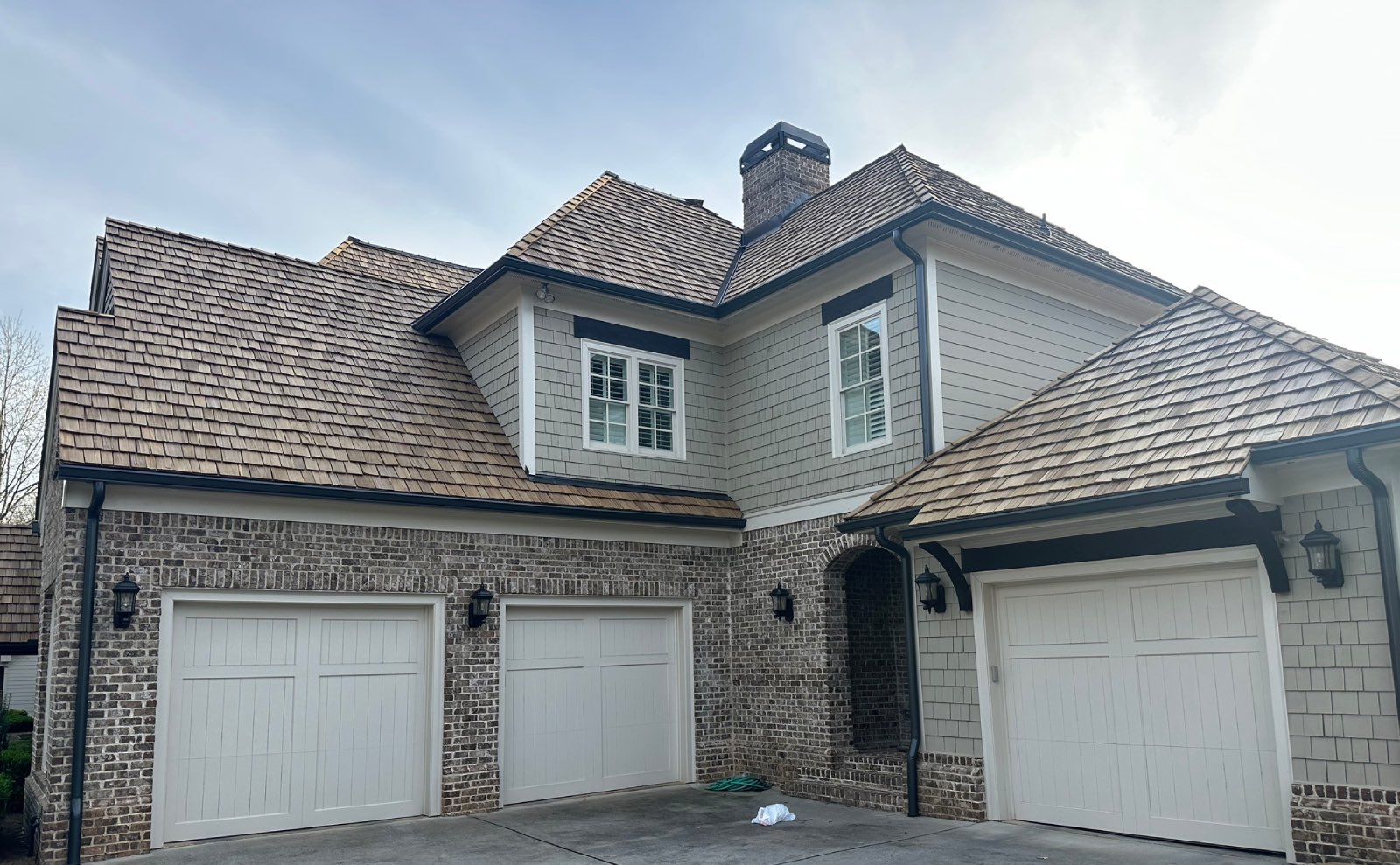
Roofing 101: Essential Terms Every Homeowner Should Know
When it comes to roof repairs or replacement, the terminology alone can feel overwhelming. Understanding basic roofing terms empowers homeowners to make informed decisions, communicate clearly with contractors, and feel confident about the work being done on their home.
This guide breaks down the most important roofing terms every homeowner should know—without the industry jargon.
Shingles
Shingles are the outermost layer of your roof and your home’s first line of defense against the elements. Asphalt shingles are the most common roofing material in Georgia due to their durability, affordability, and resistance to heat and storms.
Underlayment
Underlayment is a protective, water-resistant layer installed between the roof deck and shingles. It provides an extra barrier against moisture in case water gets past the shingles—especially important during heavy rain or storms.
Roof Deck (Decking)
The roof deck is the structural foundation of your roof, typically made from plywood or OSB. All roofing materials are installed on top of this surface. Damage to the decking often indicates long-term leaks or moisture issues.
Flashing
Flashing consists of thin metal pieces installed around roof penetrations such as chimneys, vents, skylights, and valleys. Its job is to redirect water away from vulnerable areas and prevent leaks—one of the most critical components of a watertight roof.
Ridge
The ridge is the highest horizontal point where two roof slopes meet. This area is sealed with ridge cap shingles to keep water out while maintaining a clean, finished look.
Ridge Vent
A ridge vent is a ventilation system installed along the roof’s ridge. It allows hot, humid air to escape from the attic, helping regulate temperature, reduce moisture buildup, and extend the lifespan of your roof.
Soffit
The soffit is the underside of the roof overhang. It helps ventilate the attic and protects rafters from moisture damage while also improving your home’s curb appeal.
Fascia
The fascia is the vertical board along the roof’s edge that supports the gutters. It plays both a structural and aesthetic role and helps protect the roof and home from water damage.
Drip Edge
A drip edge is a metal strip installed along the edges of the roof. It directs water away from the fascia and roof deck, preventing rot and improving overall drainage.
Pitch (Roof Slope)
Pitch refers to the steepness of your roof and is expressed as a ratio (such as 6:12). Roof pitch affects drainage, material selection, installation complexity, and overall cost.
Valley
A roof valley is where two roof slopes meet and channel water off the roof. Valleys handle a high volume of water and must be properly installed and sealed to prevent leaks.
Ice & Water Shield
Ice and water shield is a self-adhering waterproof membrane installed in high-risk areas like valleys, roof edges, and around penetrations. It provides added leak protection during heavy rain and wind-driven storms.
Why Roofing Knowledge Matters
Understanding these terms helps homeowners:
- Ask better questions during inspections
- Understand estimates and contracts
- Spot potential problems early
- Avoid confusion or miscommunication
A well-informed homeowner is better equipped to protect their investment and avoid costly surprises.
Final Thoughts
Roofing doesn’t have to be confusing. Knowing the basics allows you to feel confident when discussing repairs, replacements, or inspections with your roofing contractor. If you ever have questions about your roof or its components, a trusted local professional can help guide you every step of the way.
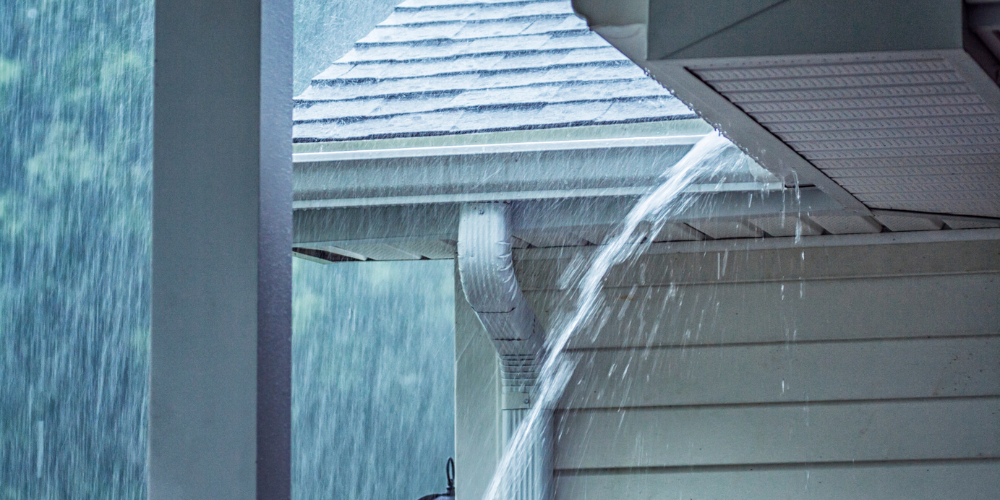
How Georgia Weather Affects Your Roof: Heat, Humidity & Storms
Georgia’s climate can be tough on your roof. Between intense summer heat, high humidity, heavy rain, and severe storms, roofing systems in the Southeast face unique challenges. Understanding how local weather impacts your roof can help you prevent damage, extend its lifespan, and avoid costly repairs.
Extreme Heat: The Silent Roof Killer
Georgia summers regularly bring prolonged high temperatures and intense sun exposure. Over time, this can cause:
- Shingle deterioration – Heat dries out asphalt shingles, making them brittle and prone to cracking
- Fading and UV damage – Sun exposure breaks down protective oils in roofing materials
- Thermal expansion – Repeated heating and cooling cycles cause materials to expand and contract, loosening fasteners and seals
Without proper ventilation, trapped heat in the attic can significantly shorten the life of your roof.
High Humidity: Moisture You Can’t Always See
Humidity is one of the biggest roofing threats in Georgia—even when it’s not raining.
Common humidity-related issues include:
- Mold and mildew growth on shingles and in attic spaces
- Wood rot in decking and structural components
- Condensation buildup due to poor ventilation
Over time, trapped moisture can weaken your roof from the inside out, often without obvious exterior signs.
Heavy Rain & Storms: Immediate & Long-Term Damage
Georgia experiences frequent thunderstorms and seasonal severe weather. These storms can lead to:
- Missing or lifted shingles from strong winds
- Leaks around flashing, vents, and chimneys
- Clogged gutters causing water to back up under shingles
- Impact damage from fallen branches or debris
Even minor storm damage can worsen if left unaddressed, leading to leaks and interior damage.
Why Regular Roof Inspections Matter
Because Georgia weather is so demanding, annual or post-storm roof inspections are critical. A professional inspection can identify:
- Early signs of heat or moisture damage
- Loose or damaged shingles
- Weak points before storm season
Catching issues early can save homeowners thousands in repairs.
Final Thoughts
Your roof is your home’s first line of defense against Georgia’s climate. Heat, humidity, and storms are unavoidable—but with proper materials, ventilation, and maintenance, your roof can stand up to the challenge. Partnering with a local roofing professional ensures your roof is built and maintained for Georgia conditions.
Seasonal Roof Maintenance Checklist for Georgia Homeowners
Introduction
Georgia weather can be unpredictable — blistering heat in the summer, heavy rainfall in spring and fall, sudden storms, and the occasional freeze. All of these conditions put constant pressure on your roof. The best way to protect your home is to follow a simple seasonal maintenance plan.
Here’s your complete year-round roof maintenance checklist, designed specifically for Georgia homeowners.
SPRING: Repair Winter Wear & Prep for Storm Season
1. Inspect Shingles and Flashing
Winter wind, rain, and temperature swings can loosen or damage shingles.
Look for:
- Missing or cracked shingles
- Loose flashing around chimneys, skylights, vents
- Bowing or uneven roof sections
2. Clean Gutters and Downspouts
Leaves, pine needles, and debris accumulate over winter.
Clear gutters to prevent:
- Overflow
- Water pooling at the roofline
- Fascia damage
3. Check the Attic for Moisture
Look for:
- Damp insulation
- Water stains
- Mold or mildew
Early detection prevents expensive repairs.
4. Trim Overhanging Branches
Spring storms can snap branches and send them crashing onto your roof.
Trimming limbs protects your shingles and gutters.
SUMMER: Manage Heat, Humidity & Storms
1. Inspect for Sun Damage
Georgia summers are harsh. UV rays cause:
- Shingle fading
- Granule loss
- Early wear
If granules appear in your gutters, it’s time for an inspection.
2. Check Ventilation & Attic Temperature
Excess heat can shorten your roof’s lifespan and raise energy bills.
Make sure intake and exhaust vents are working properly.
3. Remove Debris After Storms
Summer storms can drop twigs, leaves, and debris onto your roof.
Remove buildup to prevent moisture traps and mold.
FALL: Prepare for Cooler Weather & Increased Rainfall
1. Clean Gutters Thoroughly
Fall is the heaviest season for leaf buildup.
Clogged gutters can cause:
- Water overflow
- Roofline rot
- Foundation damage
2. Inspect Roof for Wind Damage
Fall storms can loosen shingles or flashing.
Check for:
- Lifted shingle corners
- Exposed nails
- Gaps in flashing
3. Check Sealant Around Roof Penetrations
Make sure seals around vents, skylights, and chimneys are intact before winter moisture sets in.
4. Ensure Attic Insulation Is Sufficient
Proper insulation keeps heating costs manageable and prevents moisture problems.
WINTER: Protect Against Moisture & Cold Snaps
1. Look for Leaks After Heavy Rain
Sure signs include:
- Stains on ceilings
- Damp insulation
- Sudden musty smells
Address issues immediately — winter moisture spreads fast.
2. Keep Gutters Clear
Even in winter, debris collects. Clogged gutters can freeze and damage fascia and shingles.
3. Watch for Sagging or Structural Stress
Heavy rainfall or rare freezing conditions can put weight on older roofs.
If anything looks uneven, schedule an inspection.
4. Perform a Pre-Winter Roof Check
A quick professional inspection helps catch hidden issues before cold weather arrives.
Conclusion
Seasonal maintenance is the key to extending your roof’s lifespan and protecting your home from costly damage. Georgia homeowners face unique weather challenges, but with this simple year-round checklist, you can stay ahead of problems before they become expensive repairs.
Roof Ventilation and Insulation: How to Keep Your Home Energy Efficient Year-Round
Introduction
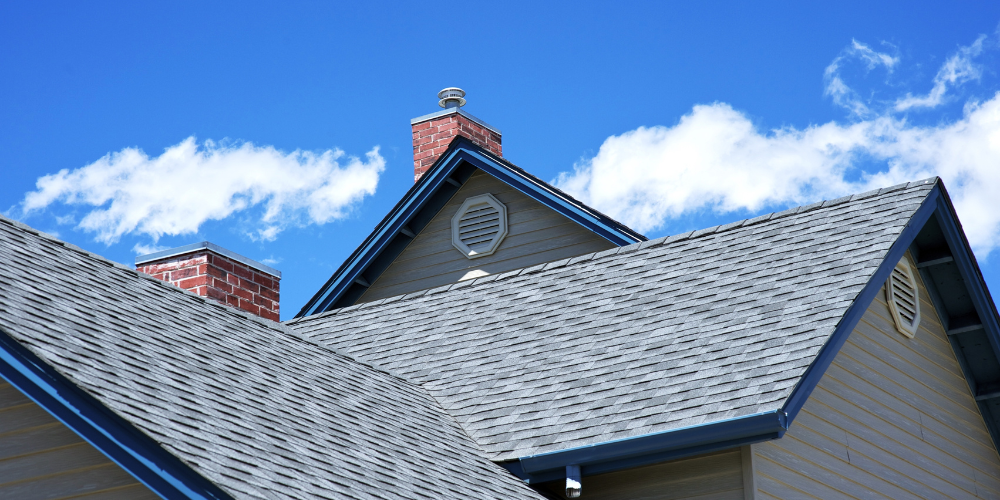
Your roof plays a much bigger role than simply protecting your home from the elements — it directly affects your energy bills, indoor comfort, and even the lifespan of the roofing materials. Proper roof ventilation and insulation work together to regulate temperature, manage moisture, and keep your home energy efficient throughout every season.
Here’s why these two elements matter, how they work, and what you can do to ensure your home stays comfortable year-round.
1. Why Roof Ventilation Matters
Roof ventilation allows fresh air to circulate through your attic, preventing heat and moisture from becoming trapped. Without proper airflow, your roof and attic can experience a range of problems — especially in Georgia’s hot, humid climate.
Key Benefits of Proper Roof Ventilation
- Reduces heat buildup in the attic during summer
- Helps lower cooling costs by reducing strain on your HVAC system
- Prevents excess moisture that can lead to mold, mildew, and wood rot
- Extends roof life by reducing shingle warping and underlayment deterioration
- Balances indoor temperature, reducing hot spots in the home
High attic temperatures can reach 150°F+ in Georgia summers. Proper ventilation helps your roof and cooling system work much more efficiently.
2. How Roof Ventilation Works
Ventilation systems use two types of vents to create airflow:
Intake Vents (usually at the soffits)
These bring cool, fresh air into the attic.
Exhaust Vents (ridge, gable, or box vents)
These allow hot, stale air to escape.
Together, they create a continuous flow of air that removes heat and moisture naturally. Without both intake and exhaust, airflow becomes imbalanced — which is a common cause of energy inefficiency and roof deterioration.
3. Why Roof Insulation Is Just as Important
Insulation and ventilation work hand-in-hand. While ventilation removes excess heat, insulation keeps your conditioned air where it belongs — inside your living space.
Benefits of Proper Roof/Attic Insulation
- Keeps warm air inside during winter
- Keeps cool air inside during summer
- Reduces HVAC usage and energy costs
- Prevents condensation and moisture buildup
- Stabilizes indoor temperature
Georgia homeowners benefit most from blown-in insulation or spray foam, which both offer excellent coverage and efficiency.
4. Signs Your Roof Ventilation or Insulation May Need Attention
Watch for these red flags:
- Rooms that are too hot in summer or too cold in winter
- Higher-than-usual energy bills
- Musty or humid attic
- Mold or mildew on attic beams
- Ice dams in winter (less common in GA, but still possible in cold snaps)
- Curling or deteriorating shingles
- AC running constantly without cooling the home effectively
If you notice any of these issues, your ventilation or insulation may be insufficient.
5. When to Upgrade or Improve Your System
Consider upgrading your ventilation or insulation if:
- Your home is more than 10–15 years old
- You’re replacing your roof
- You see signs of moisture or mold
- Your attic is extremely hot to the touch
- You experience uneven home temperatures
- Your energy bills continue to rise
Roof replacement is often the perfect time to address ventilation issues — it’s easier, cost-effective, and improves roof lifespan.
Conclusion
Roof ventilation and insulation may be out of sight, but they should never be out of mind. These two components are key to a durable roof and an energy-efficient home — especially in Georgia’s extreme seasonal weather.
Why Proper Roof Ventilation Matters More Than Most Homeowners Realize
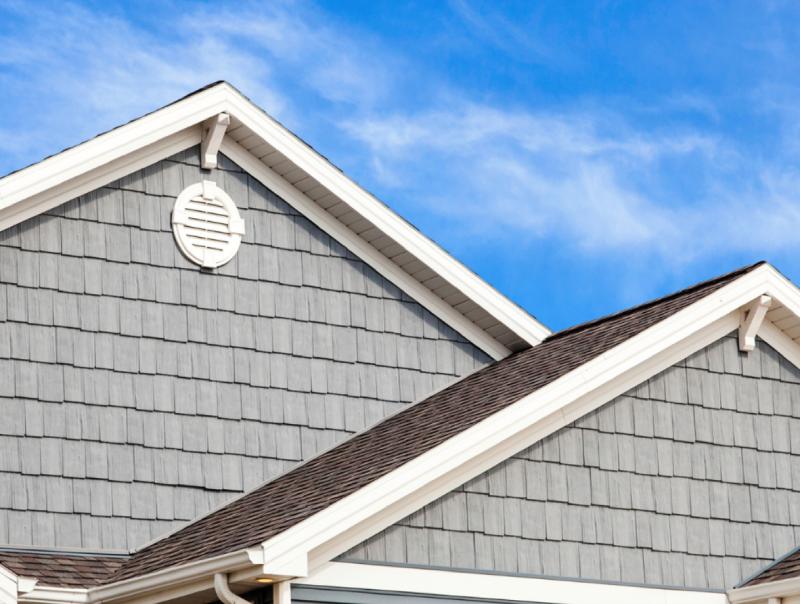
Most homeowners don’t think much about attic ventilation — until a problem appears. But the truth is, ventilation is one of the most important elements of a healthy roofing system. Without it, your roof ages faster, your home runs hotter, and moisture damage can start to form silently.
Let’s break down why ventilation matters — and how to tell if your home needs improvement.
Your Roof Needs to Breathe
Your attic and roof system are constantly experiencing changes in:
- Temperature
- Moisture
- Airflow
Without proper ventilation, heat and humidity get trapped in the attic. When that happens, two major issues appear:
1. Heat Buildup
Hot air rises — and without a way to escape, it becomes trapped at the peak of your roof.
This leads to:
- Higher energy bills
- Warped decking and shingles
- Shorter shingle lifespan
In Georgia summers, attics can exceed 150°F. That extreme heat bakes your roof from the inside out.
2. Moisture & Condensation
Moisture naturally moves upward from bathrooms, kitchens, and laundry rooms.
If that moisture collects in the attic, it can:
- Create mold and mildew
- Rot the wooden roof structure
- Damage insulation
- Cause interior leaks
This happens most in cooler months — when warm indoor air meets a cold roof surface and condenses.
How to Tell If Your Ventilation Is Failing
Common signs include:
- Hot upstairs rooms
- AC running constantly
- Rusted nails in the attic
- Musty smell in the attic
- Wavy or curling shingles
- Ice dams in colder regions (less common in GA)
If any of these sound familiar, ventilation may be the cause — not the roof material itself.
Why Ventilation Matters When Replacing a Roof
Even the best shingles won’t last long without proper airflow.
Correct ventilation:
- Helps your roof reach its full lifespan
- Reduces energy costs
- Prevents heat and moisture damage
- Keeps your home more comfortable year-round
It’s one of the highest-value investments you can make in your roof — and one of the least understood.
Bottom Line
A roof is more than shingles — it’s a complete system.
Proper airflow keeps your home healthy, efficient, and protected.
If you’re unsure whether your attic ventilation is working properly, we can check it during a free roof inspection.
We’ll show you what’s working, what’s not, and what can be improved — plain and simple.
Book your free roof system evaluation today.
Storm Season in Georgia: What Hail and Wind Actually Do to Your Roof
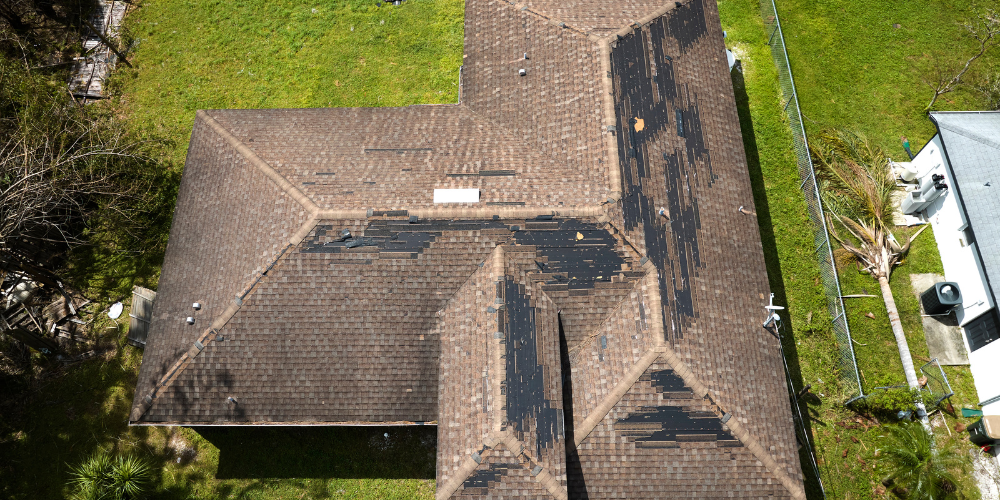
Georgia storm season can be unpredictable — one minute it’s sunshine, the next it’s hail, high winds, and heavy rain. Even if your roof looks fine from the ground after a storm, that doesn’t mean it’s not damaged. A lot of roof damage is subtle and difficult to see, and it can slowly worsen over time if left untreated.
Here’s what hail and wind really do to a roof — and why it’s worth getting it checked sooner rather than later.
How Hail Damages Your Shingles
When hail hits a roof, it doesn’t always crack the shingles right away. More commonly, it knocks off the protective granules on the surface of the shingle.
Those granules are what protect your roof from:
- UV sunlight damage
- Heat breakdown
- Water penetration
When granules are knocked off, it leaves soft, bruised spots on the shingles that begin to deteriorate faster than the rest of the roof. Over time, those spots turn into cracks, and cracks turn into leaks.
And once water gets in — the damage spreads quickly.
What Wind Damage Looks Like
Strong winds don’t always rip shingles off. More often, they lift them.
When a shingle lifts, even for a moment, the seal underneath breaks. This creates tiny entry points where water can sneak in during the next rainstorm.
Signs of wind damage:
- Loose shingles
- Creases across shingle tabs
- Thin lines where granules have worn
- Shingles flapping or rattling in the wind
Again — not always visible from the yard.
Why Storm Damage Isn’t Always Immediate
Storm damage is often progressive, meaning the real issues show up months or even years later:
- Slow leaks that stain ceilings
- Musty smells in closets and attic spaces
- Wood rot and mold
- Sagging areas in the roof deck
This is why insurance companies recommend documented inspections after severe weather.
The Good News
Most storm damage is covered by insurance when documented correctly.
And the inspection is free — no cost, no pressure, no commitment.
Bottom Line
If a storm has recently hit your area, don’t assume your roof is fine just because it looks okay from the ground. Small damage today turns into expensive repairs later.
A quick inspection now protects your home — and your wallet.
Schedule a free storm damage roof assessment.
We’ll document everything so you’re covered if an issue shows up later.
Signs You Need Roof Repair — Before Leaks Start
Most homeowners wait until they see water stains on the ceiling or an active leak before calling a roofer. But by then, damage has already spread to insulation, drywall, and framing. The truth is: your roof often gives you warning signs long before leaks start. Knowing what to look for can save you thousands in repairs and extend the life of your roof.
At URC (Universal Roofing & Construction), we’ve inspected and repaired hundreds of roofs across Georgia, Tennessee, and beyond. Here are the most common early indicators that it’s time to schedule roof repair.
- Sagging or Uneven Roof Lines
Your roof should look straight and solid from the curb. If you notice dips, sagging sections, or an uneven appearance, it could mean:
- Structural weakness in rafters or decking
- Moisture damage from hidden leaks
- Heavy debris or water pooling on the roof
Why it matters: Left unchecked, sagging can turn into structural failure.
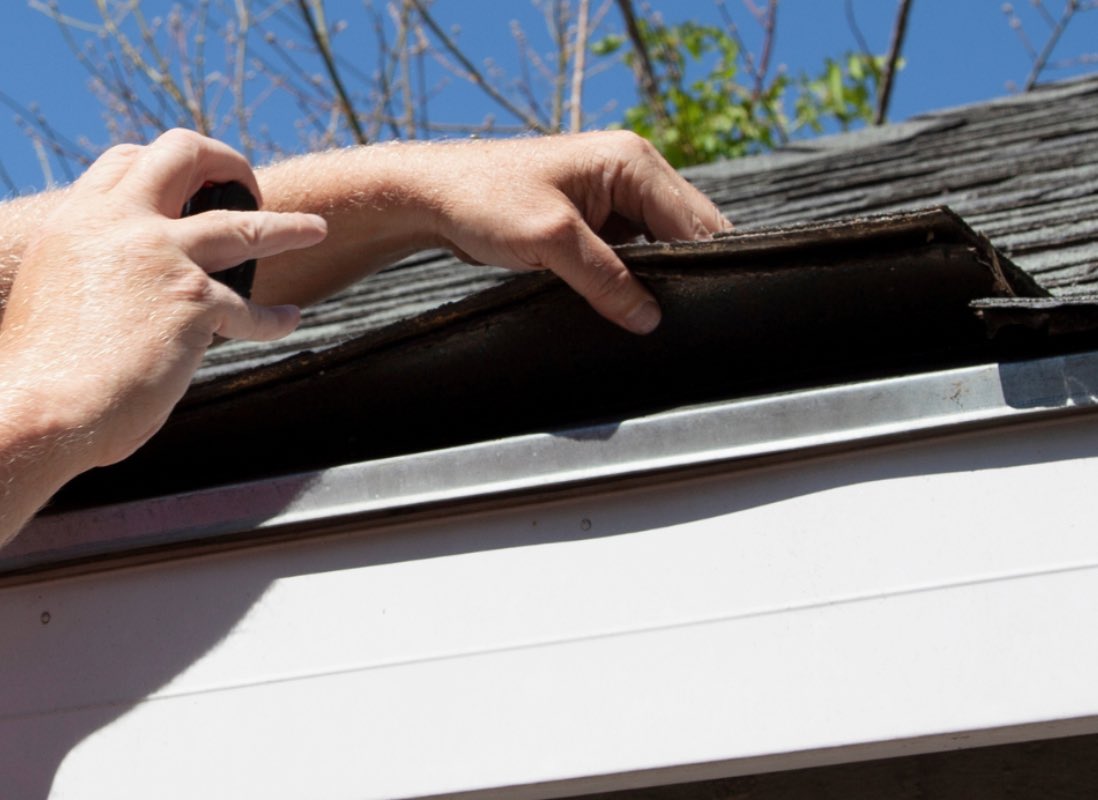
- Curling or Buckling Shingles
Asphalt shingles are designed to lie flat. Over time, heat, moisture, and age can cause them to curl, lift, or buckle.
- Curling edges: Often a sign of weathering or poor ventilation.
- Buckling shingles: May indicate trapped moisture in the underlayment.
Why it matters: Curled shingles can’t shed water properly, leaving your home vulnerable.
- Granule Loss in Gutters
Those tiny sand-like particles on shingles are there to protect against UV rays and weathering. If you’re finding large amounts of granules in your gutters or downspouts, it means your shingles are breaking down.
Why it matters: Shingles without granules deteriorate quickly, shortening your roof’s life span.
- Damaged or Missing Flashing
Flashing seals vulnerable areas around chimneys, skylights, and vents. Over time, flashing can rust, crack, or pull away.
Why it matters: Weak flashing is one of the most common sources of roof leaks.
- Stains or Dark Streaks on Shingles
Dark streaks may look like dirt, but often it’s algae or mold growth. It’s not only an eyesore—it can hold moisture and accelerate shingle damage.
- Light in the Attic or Drafts
If you can see sunlight peeking through roof boards or feel drafts in your attic, that’s a red flag. Even tiny gaps can let in water, insects, and cold air.
- Age of the Roof
Even without visible problems, roofs have a natural lifespan:
- Asphalt shingles: 15–25 years
- Metal: 40–70 years
- TPO/flat roofing: 20–30 years
If your roof is approaching the end of its expected life, proactive inspection is crucial.
Final Thoughts
You don’t need to wait for a leak to take action. Spotting these early signs means you can address minor repairs before they turn into major problems.
At URC, we offer free inspections to help homeowners catch these issues early. If you’ve noticed any of the above signs—or just want peace of mind—contact us today for a professional evaluation.