
Why Preventive Commercial Roof Maintenance Can Save Businesses Thousands
For commercial property owners and facility managers, maintaining a building involves balancing operating expenses, protecting valuable assets, and preventing unexpected disruptions.
One of the most important yet frequently overlooked components of commercial property maintenance is the roof.
Commercial roofing systems are exposed to sunlight, heavy rainfall, wind, temperature fluctuations, and everyday wear. Over time, even minor roofing issues can develop into expensive problems if they are not identified and addressed.
Preventive commercial roof maintenance helps businesses take a proactive approach to protecting their properties rather than waiting for leaks or significant damage to occur.
By investing in regular inspections and timely repairs, businesses may be able to extend the useful life of their roofing systems, reduce unexpected expenses, and avoid costly interruptions.
1. Catch Small Problems Before They Become Expensive Repairs
One of the biggest advantages of preventive roof maintenance is identifying minor issues before they develop into larger problems.
A small puncture in a roofing membrane, deteriorating flashing, or a compromised seam may initially cause little noticeable damage.
However, when moisture enters the roofing system, it can affect insulation, roof decking, interior ceilings, and other building components.
What might have started as a relatively straightforward repair can eventually require more extensive restoration.
Routine inspections allow roofing professionals to identify potential problems early and recommend appropriate solutions.
Common issues discovered during commercial roof inspections include:
- Damaged or separated roofing membrane seams
- Deteriorating flashing around roof penetrations
- Punctures or tears in roofing materials
- Clogged drains and gutters
- Areas of standing water
- Loose or damaged roofing components
- Signs of moisture intrusion
Addressing these concerns promptly can help prevent avoidable repair expenses.
2. Extend the Lifespan of Your Commercial Roof
Replacing a commercial roof is a significant financial investment.
Depending on the building's size, roofing material, accessibility, and structural requirements, a full replacement can represent a substantial capital expense.
Preventive maintenance can help protect that investment by reducing avoidable deterioration.
For example, commercial roofing systems such as TPO, EPDM, modified bitumen, and metal roofing each have different maintenance requirements.
Regular inspections and appropriate repairs help preserve the roofing system's ability to protect the building.
Although maintenance cannot prevent every form of aging or weather damage, it may help businesses get more useful service life from their existing roofs.
Delaying a major replacement when the roof remains in serviceable condition can provide meaningful financial benefits.
3. Prevent Water Damage to Your Building
Water intrusion is one of the most concerning consequences of commercial roof deterioration.
A roof leak can affect much more than the roofing materials themselves.
Depending on the building's use, water damage may impact:
- Interior ceilings and walls
- Insulation and structural components
- Electrical systems
- Inventory and stored products
- Office equipment and furnishings
- Manufacturing machinery
- Tenant spaces
Moisture intrusion can also contribute to mold growth when affected materials remain damp.
For businesses operating warehouses, retail spaces, offices, or industrial facilities, the resulting repairs and interruptions may become more expensive than the original roofing problem.
Preventive maintenance helps identify vulnerable areas before water intrusion causes extensive damage.
4. Reduce Unexpected Business Interruptions
Commercial roof problems can disrupt normal business operations.
A significant leak may require a business to relocate equipment, close affected areas, or temporarily interrupt production.
For property managers, roofing problems can also create challenges for tenants and building occupants.
These disruptions may result in lost productivity, emergency repair expenses, and additional operational complications.
Routine roof maintenance allows property owners to plan necessary repairs rather than responding only when emergencies occur.
Scheduled maintenance can often be coordinated around normal business operations, helping reduce unnecessary disruptions.
5. Improve Drainage and Prevent Standing Water
Proper drainage is especially important for commercial buildings with flat or low-slope roofing systems.
Unlike steep residential roofs, many commercial roofs rely on carefully designed slopes, drains, gutters, and internal drainage systems to direct water away.
When drains become clogged with leaves, dirt, or other debris, water can accumulate on the roof.
Prolonged standing water may contribute to roofing material deterioration, increase the risk of leaks, and place additional weight on the roof structure.
Regular maintenance can help identify drainage problems before they become serious.
Commercial roof maintenance may include inspecting drainage components, removing debris, and evaluating areas where water repeatedly accumulates.
Persistent ponding water should be assessed by a qualified roofing professional to determine whether repairs or drainage improvements are necessary.
6. Support Roofing Warranty Requirements
Many commercial roofing systems include manufacturer or contractor warranties.
However, warranty coverage may depend on specific terms and conditions, including maintenance requirements.
Some warranties require periodic inspections, documentation, or timely reporting of roofing problems.
Failing to follow applicable requirements may affect coverage.
A preventive maintenance program can help property owners maintain records of inspections, repairs, and roofing conditions.
These records may also be valuable when evaluating future roofing work or documenting storm-related damage.
Property owners should review their specific warranty documents to understand which maintenance responsibilities apply.
7. Make Commercial Roofing Expenses More Predictable
Unexpected roof repairs can create financial challenges, particularly when they require immediate attention.
Preventive maintenance allows businesses to plan for roofing expenses more effectively.
Rather than waiting for a major problem, property owners can use inspection findings to prioritize repairs and anticipate future replacement needs.
A proactive maintenance approach may help businesses:
- Identify upcoming repair requirements
- Budget for routine maintenance
- Reduce the likelihood of emergency expenses
- Plan for eventual roof replacement
- Maintain more consistent building conditions
Although no maintenance program can eliminate every unexpected expense, regular inspections can provide valuable information for long-term property planning.
How Often Should a Commercial Roof Be Inspected?
Inspection frequency depends on the roofing system, manufacturer recommendations, building conditions, and local weather exposure.
As a general starting point, many commercial properties benefit from professional roof inspections at least twice per year, often during spring and fall.
Additional inspections may be appropriate following severe storms, high winds, hail, or other events that could damage the roofing system.
Buildings with heavy rooftop equipment, frequent roof access, or recurring drainage problems may require closer attention.
A qualified commercial roofing contractor can recommend an inspection schedule based on the property's specific needs.
What Should a Commercial Roof Maintenance Plan Include?
A comprehensive maintenance approach should consider the entire roofing system rather than focusing only on visible surface damage.
Depending on the roof type and condition, a maintenance plan may include:
- Routine professional roof inspections
- Evaluation of seams, flashing, and roof penetrations
- Inspection of drains, gutters, and drainage pathways
- Removal of accumulated debris
- Identification of punctures or membrane damage
- Documentation of roofing conditions
- Recommendations for necessary repairs
- Follow-up inspections after severe weather
Maintenance should be performed using methods appropriate for the roofing material and in accordance with applicable manufacturer requirements.
Protect Your Commercial Property With Universal Roofing and Construction
Your commercial roof is an essential part of your building's infrastructure.
Waiting until a leak or major roofing problem occurs can lead to unnecessary expenses, property damage, and interruptions to daily operations.
A preventive maintenance approach helps business owners and facility managers stay informed about their roofing systems and address potential concerns before they become more serious.
At Universal Roofing and Construction, we provide commercial roofing services designed to help protect businesses and their properties.
From roof inspections and repairs to commercial roofing solutions, our team understands the importance of dependable roofing systems for offices, warehouses, retail properties, and other commercial facilities.
Don't wait for a roof leak to interrupt your business.
Contact Universal Roofing and Construction today to schedule a roof inspection and learn how proactive roofing maintenance can help protect your commercial property.

How Long Does a Roof Last? Factors That Affect Your Roof's Lifespan
How Long Does a Roof Last? Factors That Affect Your Roof's Lifespan
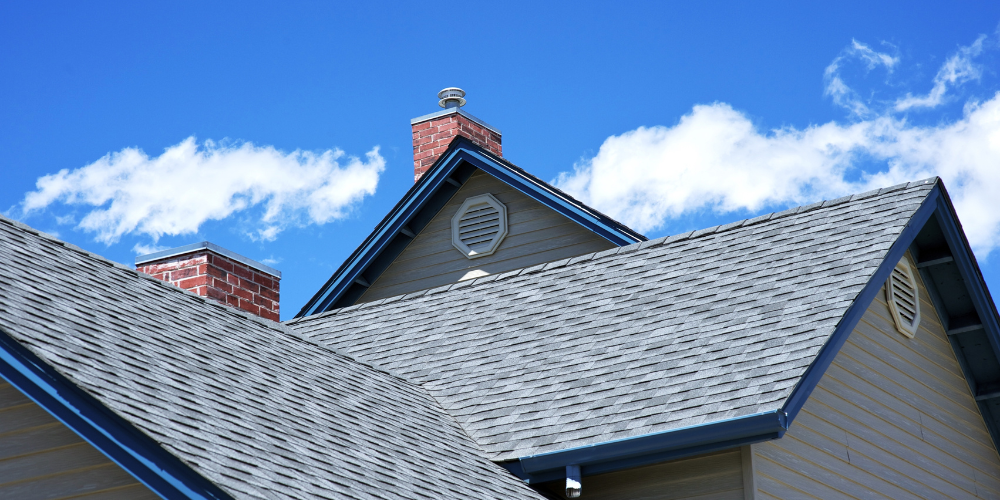
Your roof is one of the most important parts of your home, protecting everything underneath it from rain, wind, sunlight, and changing weather conditions. However, even a well-installed roof won't last forever.
One of the most common questions homeowners ask is, "How long does a roof last?"
The answer depends on several factors, including the roofing material, installation quality, local climate, ventilation, and ongoing maintenance. While some roofing systems may last around 20 years, others can provide protection for several decades.
Understanding what affects your roof's lifespan can help you plan for future repairs, avoid unexpected expenses, and recognize when it may be time for a professional inspection.
Average Lifespan of Common Roofing Materials
Different roofing materials offer different levels of durability and longevity. Although actual performance varies, the following estimates provide a general idea of how long common residential roofing systems may last.
Asphalt Shingle Roofs: Approximately 15–30 Years
Asphalt shingles are among the most popular residential roofing materials because of their affordability, versatility, and relatively straightforward installation.
Traditional three-tab shingles often have shorter service lives, while higher-quality architectural shingles may last longer.
Factors such as excessive heat, strong winds, poor ventilation, and installation issues can shorten their lifespan.
Metal Roofs: Approximately 40–70 Years
Metal roofing is known for its durability and resistance to many common weather conditions.
Depending on the metal, protective coating, installation method, and maintenance, some metal roofing systems can last several decades.
Metal roofs can also offer benefits such as energy efficiency, low maintenance requirements, and resistance to certain forms of weather damage.
Tile Roofs: Approximately 50 Years or More
Clay and concrete tile roofing systems can offer long service lives when properly installed and maintained.
However, individual tiles can crack or break, and the underlayment beneath the tiles may require replacement before the tiles themselves reach the end of their useful life.
Slate Roofs: Approximately 75–100 Years or More
Natural slate is one of the longest-lasting roofing materials available.
When installed correctly on a structure designed to support its weight, a slate roof can provide protection for generations.
However, slate roofing typically involves a higher initial investment and requires specialized installation and repair expertise.
These lifespan ranges are general estimates rather than guarantees. Product specifications, manufacturer warranties, installation conditions, and environmental exposure all influence actual performance.
1. Weather and Climate Conditions
Your local climate plays a major role in how long your roof lasts.
Roofs are continuously exposed to sunlight, temperature changes, moisture, wind, and severe weather.
Over time, these conditions can cause roofing materials to deteriorate.
Common weather-related concerns include:
- High temperatures: Prolonged heat exposure can accelerate the aging of certain roofing materials.
- Heavy rainfall: Water intrusion can damage roofing components if shingles, flashing, or other protective elements fail.
- Strong winds: Severe winds can loosen, lift, or remove roofing materials.
- Hail: Hail impacts can damage shingles, protective granules, and other roofing components.
- Temperature fluctuations: Repeated expansion and contraction can place stress on roofing materials.
Homes in areas that experience frequent thunderstorms or seasonal severe weather may benefit from regular roof inspections.
2. Quality of Roof Installation
Even high-quality roofing materials can fail prematurely if they are not installed correctly.
Proper installation involves much more than simply attaching shingles or roofing panels.
A complete roofing system includes underlayment, flashing, ventilation components, drainage details, and properly installed roofing materials.
Installation problems can lead to water intrusion, premature material deterioration, and unnecessary repairs.
Working with an experienced roofing contractor helps ensure the roofing system is installed according to applicable building codes and manufacturer requirements.
3. Attic Ventilation
Proper attic ventilation can influence the performance and longevity of certain roofing systems.
Without adequate ventilation, excessive heat and moisture may accumulate in the attic.
Depending on the roof assembly and climate, these conditions can contribute to moisture-related damage, deterioration of building materials, and reduced energy efficiency.
A properly designed ventilation system helps manage attic conditions and supports the overall performance of the roofing assembly.
However, ventilation requirements vary by building design, and not every roofing system uses the same approach.
4. Routine Roof Maintenance
Regular maintenance is one of the most practical ways to help protect your roofing investment.
Minor roofing issues can become more expensive when they go unnoticed.
For example, damaged flashing or a small leak may eventually allow moisture to reach insulation, roof decking, or interior finishes.
Routine maintenance may include:
- Checking for missing, cracked, or damaged shingles
- Inspecting flashing around chimneys, vents, and roof penetrations
- Keeping gutters and drainage systems clear
- Removing debris that traps moisture
- Checking for visible signs of water intrusion
- Scheduling professional inspections when needed
Homeowners should avoid climbing onto steep or damaged roofs. A qualified roofing professional can safely evaluate areas that are difficult to inspect from the ground.
5. Trees and Surrounding Vegetation
Trees provide shade and enhance a property's appearance, but branches and accumulated debris can also affect roofing systems.
Overhanging limbs may scrape against roofing materials during windy conditions.
Falling branches can cause significant damage, while leaves and debris may collect in valleys or gutters, interfering with proper drainage.
Keeping trees appropriately maintained and removing debris can help reduce these risks.
6. Roofing Material Quality
Not all roofing products are manufactured to the same specifications.
Even within the same category, materials can vary in thickness, durability, wind resistance, protective coatings, and warranty coverage.
For example, architectural asphalt shingles may offer different performance characteristics than traditional three-tab shingles.
Choosing roofing materials suited to your home's design, local climate, and budget can help improve long-term performance.
Signs Your Roof May Be Nearing the End of Its Lifespan
A roof doesn't necessarily need replacement simply because it reaches a certain age.
However, older roofs should be evaluated more carefully when warning signs begin to appear.
Common indicators include:
- Frequent leaks or recurring water stains
- Missing, cracked, curling, or deteriorating shingles
- Significant granule loss on asphalt shingles
- Damaged or deteriorating flashing
- Repeated repairs in multiple areas
- Visible sagging or structural concerns
- Widespread deterioration across the roofing system
Some of these issues may be resolved through targeted repairs, while others could indicate that replacement is the more practical long-term solution.
A professional roof inspection can help determine the extent of the problem.
Should You Repair or Replace Your Roof?
Deciding between roof repair and replacement depends on the age of the roof, the severity of the damage, and its overall condition.
A relatively new roof with localized damage may only require repairs.
However, an older roof experiencing widespread deterioration or repeated leaks may be a better candidate for replacement.
The cost of ongoing repairs should also be considered.
If a roof requires frequent work and continues developing new problems, replacement may offer better long-term value.
An experienced roofing contractor can evaluate the condition of the roofing system and explain the available options.
Protect Your Home With Universal Roofing and Construction
Your roof's lifespan depends on more than its age. Proper installation, quality materials, weather exposure, and routine maintenance all influence how well it performs over time.
Understanding these factors can help you make informed decisions about protecting your home.
At Universal Roofing and Construction, we understand the importance of a reliable roofing system. Whether you're concerned about an aging roof, have noticed signs of damage, or are considering a roof replacement, a professional evaluation can help you determine the next steps.
Not sure how much life your roof has left?
Contact Universal Roofing and Construction today to discuss your roofing concerns and schedule a roof inspection.
