

Why Are There Black Streaks on My Roof?
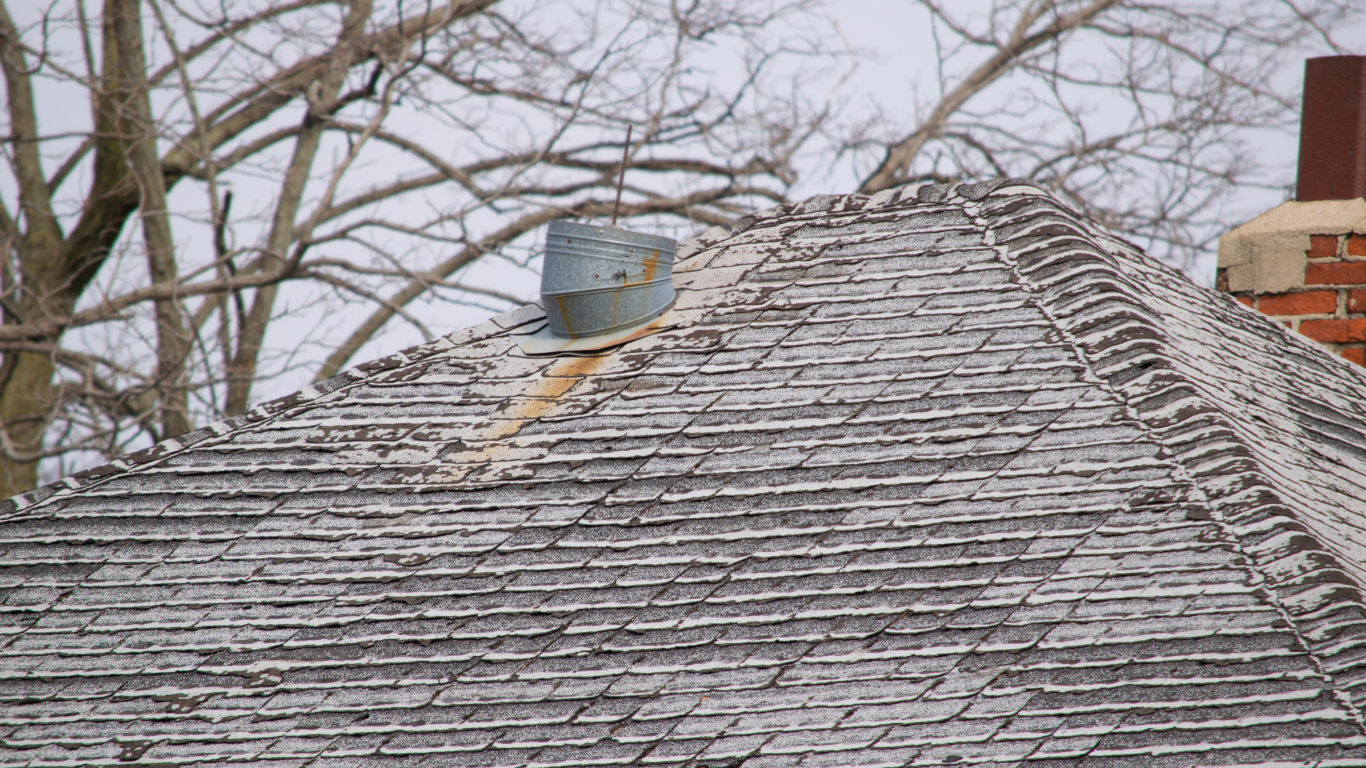
Have you noticed dark streaks running down your roof?
Many homeowners initially assume those black marks are dirt, soot, mold, or simply a sign that their shingles are getting old. But in many cases, those streaks are actually caused by algae growing on the roof.
It's a particularly common sight in warm, humid climates like Georgia.
While black streaks don't necessarily mean you need a new roof, they're worth understanding. Here's what's causing them, why some homes develop them more than others, and what you should do if they appear on your roof.
What Causes Black Streaks on Roof Shingles?
One of the most common causes of black roof streaks is a type of blue-green algae commonly known as Gloeocapsa magma.
The algae can grow on asphalt shingles, particularly in areas where moisture tends to remain on the roof.
As it accumulates, it develops a dark protective coating that creates the black or dark-brown streaks homeowners see from the ground.
Rainwater can gradually carry the discoloration down the slope of the roof, creating the distinctive streaked appearance.
Why Is Roof Algae So Common in Georgia?
Algae thrives in warm, humid environments, making Georgia an especially welcoming climate for it.
Frequent rainfall, high humidity, warm temperatures, and shaded roof surfaces can all create favorable conditions for growth.
You may notice more streaking on sections of the roof that receive less direct sunlight or remain damp longer after rainfall.
Trees surrounding the home can also increase shade and moisture around the roof, potentially contributing to algae growth.
Are Black Streaks the Same as Mold?
Not necessarily.
Homeowners often refer to any dark roof growth as "mold," but algae, moss, mildew, and mold aren't the same thing.
Black streaks across asphalt shingles are commonly associated with algae. Moss, on the other hand, tends to create thicker green growth that can hold moisture against the roofing surface.
Because different types of growth can require different approaches, it's helpful to identify what's actually on the roof before trying to remove it.
Do Black Streaks Damage Your Roof?
Black streaks don't automatically mean your roof is failing.
In many cases, the most immediate problem is cosmetic. The dark discoloration can make an otherwise healthy roof look older, dirty, or poorly maintained.
However, significant biological growth shouldn't simply be ignored.
If moss or other vegetation is growing alongside the algae, it can retain moisture and potentially interfere with the shingles over time.
Dark streaking can also make it more difficult for homeowners to notice other changes in the roof's condition.
If you're unsure whether you're looking at harmless discoloration or something more significant, a roof inspection can provide a clearer answer.
Can You Pressure Wash Black Streaks Off a Roof?
Reaching for a pressure washer may seem like an easy solution, but aggressively pressure washing asphalt shingles can cause damage.
High-pressure water can loosen protective granules from the shingles and potentially shorten the life of the roofing material.
Walking on the roof to clean it can also create unnecessary safety risks and may damage shingles if it isn't done correctly.
Instead, roof cleaning should use methods appropriate for the roofing material and the type of growth present.
When in doubt, consult a professional before attempting to clean the roof yourself.
Can Black Streaks Be Prevented?
While it may not always be possible to prevent algae completely in Georgia's climate, there are steps that can help reduce conditions that encourage growth.
Keep Gutters Clear
Clogged gutters can interfere with proper water drainage around the roof.
Keeping gutters and downspouts clear allows rainwater to move away from the roofing system efficiently.
Manage Overhanging Branches
Trees provide valuable shade, but branches hanging directly over a roof can reduce sunlight and airflow while dropping leaves and other debris onto the shingles.
Appropriate trimming can help reduce excessive shade and allow roof surfaces to dry more effectively after rain.
Address Moisture Problems
If certain areas of your roof remain wet significantly longer than others, it may be worth determining why.
Drainage problems, debris accumulation, or other roofing issues could be contributing to excessive moisture.
What If the Roof Is Already Older?
If black streaks appear on an older roof, it's a good opportunity to evaluate the overall condition of the shingles.
The discoloration itself may not mean the roof needs replacement, but an inspection may reveal unrelated signs of aging such as:
- Excessive granule loss
- Curling shingles
- Cracked shingles
- Missing shingles
- Soft or damaged areas
- Deteriorated flashing
- Signs of leaks
Cleaning an aging roof may improve its appearance, but it won't correct underlying deterioration.
Understanding the roof's actual condition can help you decide whether cleaning, repair, or eventually replacement makes the most sense.
When Should You Call a Roofer?
Consider having your roof professionally evaluated if the streaking is widespread, you're unsure what type of growth you're seeing, or you've noticed other signs of roofing problems.
You should also consider an inspection if the roof is older and hasn't been professionally evaluated recently.
A roofing professional can distinguish cosmetic staining from issues that may require attention and help you avoid accidentally damaging the shingles with improper cleaning techniques.
Keep Your Georgia Roof in Good Condition
Black streaks can certainly hurt your home's curb appeal, but they don't automatically mean something is seriously wrong with your roof.
The key is determining what's causing the discoloration and understanding the condition of the roofing system underneath it.
URC Roofing provides professional roofing inspections, repairs, maintenance, and roof replacement services throughout North Georgia.
If you've noticed black streaks, algae growth, or other changes in the appearance of your roof, contact URC Roofing to schedule an inspection and make sure your roofing system is continuing to protect your home.

What Are Roof Granules, and Why Are They Showing Up in My Gutters?
If you've cleaned your gutters and noticed what looks like coarse black sand or tiny pebbles collecting at the bottom, there's a good chance you're looking at roof granules.
Finding a small amount of granules isn't necessarily a reason to worry. Asphalt shingles naturally lose some granules over time. However, excessive granule loss can sometimes be an early warning sign that your roof is aging, damaged, or approaching the point where it needs professional attention.
Here's what Georgia homeowners should know about roof granules and when finding them in your gutters may be cause for concern.
What Are Roof Granules?
The rough surface covering asphalt shingles is made up of thousands of small mineral granules.
While they give shingles their familiar texture and color, they're there for much more than appearance. Granules form an important protective layer over the asphalt material underneath.
They help protect your roof from:
- UV exposure from the sun
- Everyday weathering
- Heat and temperature changes
- Physical wear
- Fire exposure
Without this protective layer, the asphalt underneath can become more vulnerable to deterioration.
Is It Normal for Roof Shingles to Lose Granules?
Some granule loss is completely normal.
In fact, a newly installed roof may shed loose granules during its first several months. These are often excess granules left over from the manufacturing and installation process.
You may notice them washing into your gutters after heavy rain without anything being wrong with the roof.
As shingles age, gradual granule loss can also occur as part of normal wear.
The question isn't necessarily whether your shingles are losing any granules. It's how much they're losing and why.
Why Are There So Many Granules in My Gutters?
If you're suddenly finding significantly more granules than usual, several factors could be responsible.
Your Roof Is Getting Older
Years of exposure to sunlight, rain, wind, heat, and temperature changes gradually wear down asphalt shingles.
As shingles age, the bond holding the protective granules to the surface can weaken. Increased granule loss may therefore be one of several signs that an asphalt roof is beginning to deteriorate.
Recent Storm Damage
Georgia thunderstorms can be tough on roofing systems.
Heavy rain, strong winds, and especially hail can loosen or knock granules from asphalt shingles.
Hail damage isn't always obvious from the ground. A roof can appear relatively normal while individual shingles have lost significant amounts of their protective surface.
If you notice an unusual amount of granules after severe weather, having the roof inspected can help determine whether storm damage occurred.
Foot Traffic or Physical Damage
Walking on asphalt shingles can also loosen granules, particularly when the roof is older or when temperatures are high.
This is one reason homeowners should generally avoid unnecessarily walking across their roofs.
Tree branches and other debris rubbing against the roof can cause similar wear.
How Much Granule Loss Is Too Much?
There's no specific number of granules in your gutter that automatically means your roof needs replacement.
Instead, look for changes.
If you've always noticed a small amount of granules during gutter cleaning, that may simply be normal wear. If you're suddenly finding large piles or significantly more material than you've seen before, it's worth investigating.
You can also look at the roof itself from the ground.
Areas where shingles have lost significant amounts of granules may appear darker, smoother, patchy, or inconsistent compared with the surrounding shingles.
Why Does Granule Loss Matter?
Granules act as a protective shield for the asphalt underneath your shingles.
When enough of that protective layer disappears, the asphalt can experience greater exposure to sunlight and weather.
Over time, excessive granule loss can contribute to accelerated deterioration and reduce the shingle's ability to protect your home effectively.
That's why granule loss is often considered alongside other signs of roof aging rather than being evaluated on its own.
Other Signs Your Roof May Need Attention
If you're finding excessive granules, check for other warning signs such as:
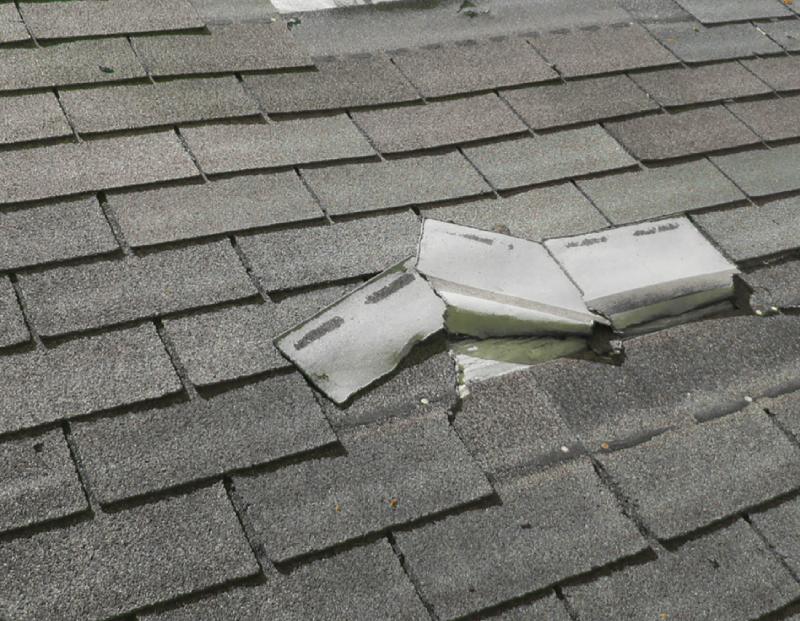
- Missing shingles
- Cracked shingles
- Curling or buckling shingles
- Bald or dark areas on shingles
- Water stains on ceilings or walls
- Roof leaks
- Sagging areas
- Visible storm damage
Multiple symptoms can indicate that the roofing system needs a closer inspection.
Does Granule Loss Mean I Need a New Roof?
Not necessarily.
The cause and severity of the granule loss matter, along with the roof's age and overall condition.
A newer roof that loses granules after a severe hailstorm presents a very different situation from an older roof gradually losing granules after years of sun and weather exposure.
A professional roof inspection can help determine whether you're seeing normal wear, localized damage that may be repairable, or deterioration that warrants considering a roof replacement.
Don't Ignore What Your Gutters Are Telling You
Your gutters don't just manage rainwater. Sometimes, they can provide clues about what's happening on the roof above them.
A few loose granules aren't usually a reason to panic. But a noticeable increase in granule accumulation—particularly after severe weather or on an older roof—is worth paying attention to.
URC Roofing provides professional roof inspections, repairs, and roof replacement services for homeowners throughout North Georgia.
If you've noticed excessive granules in your gutters or you're concerned about the condition of your shingles, contact URC Roofing to schedule an inspection and find out what's happening with your roof.