

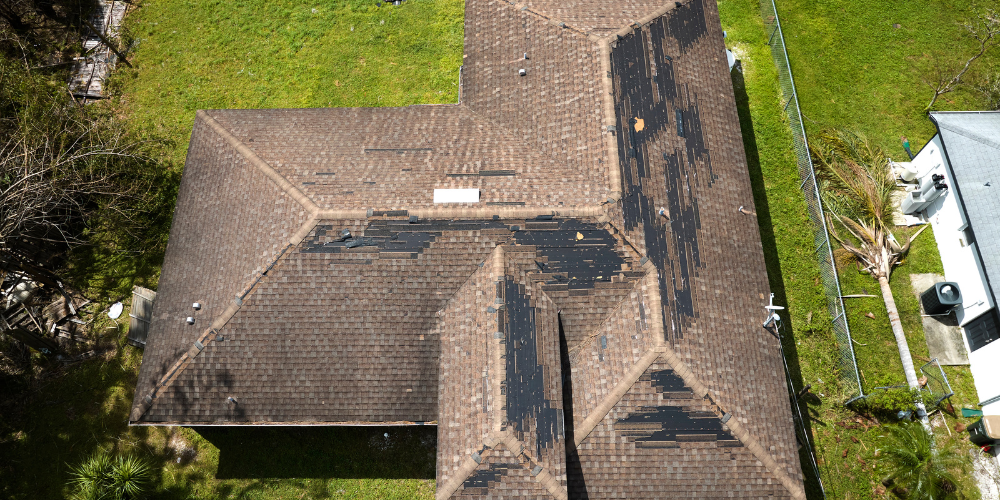
How Old Is Too Old for a Roof?
One of the most common questions homeowners ask is, "How long should my roof last?"
While every roof eventually reaches the end of its lifespan, age alone doesn't always determine whether it needs to be replaced. The type of roofing material, installation quality, weather exposure, and ongoing maintenance all play an important role.
Knowing what to look for can help you avoid costly leaks and unexpected repairs.
There's No Single Age Limit
Different roofing materials have different expected lifespans.
For example, asphalt shingles generally last for decades, while metal, slate, and tile roofs often have much longer service lives.
Even two roofs installed at the same time may age differently depending on ventilation, storm exposure, and maintenance.
Signs Your Roof May Be Near the End of Its Life
Instead of focusing only on age, pay attention to its condition.
Common warning signs include:
- Missing or damaged shingles
- Curling or buckling shingles
- Granules collecting in gutters
- Water stains on ceilings
- Frequent leaks
- Sagging rooflines
- Moss or algae growth
- Flashing damage around chimneys and vents
If several of these issues are present, it may be time for a professional inspection.
Georgia Weather Speeds Up Roof Wear
Georgia's climate can be tough on roofing systems.
Your roof faces:
- Intense summer heat
- UV exposure
- Heavy rain
- High humidity
- Strong thunderstorms
- Hail
- Seasonal wind events
These conditions can gradually weaken roofing materials, even if damage isn't immediately visible from the ground.
Repairs vs. Replacement
Not every aging roof needs to be replaced immediately.
A newer roof with localized storm damage may only require repairs.
However, if repairs become frequent, widespread deterioration is present, or leaks continue to develop, replacing the roof is often the more cost-effective long-term solution.
A professional inspection can help determine which option makes the most sense.
Don't Wait for a Leak
Many homeowners wait until water begins entering the home before scheduling an inspection.
Unfortunately, by that point, moisture may have already caused damage to insulation, drywall, framing, or even electrical systems.
Regular inspections can identify potential issues before they become expensive problems.
When Should You Schedule an Inspection?
If your roof is getting older, has recently experienced severe weather, or you're unsure of its condition, a professional inspection is one of the smartest investments you can make.
Even if no repairs are needed today, knowing the condition of your roof allows you to plan for future maintenance and replacement rather than being surprised by an emergency.
Protect Your Home with URC Roofing
Your roof is one of the most important parts of your home, protecting everything underneath it.
At URC Roofing, our experienced team provides honest, thorough roof inspections to help homeowners understand the condition of their roofing system and recommend the most appropriate solution.
Whether your roof needs a simple repair or it's time for a replacement, we're here to help. Contact URC Roofing today to schedule your free roof inspection and gain peace of mind knowing your home is protected.

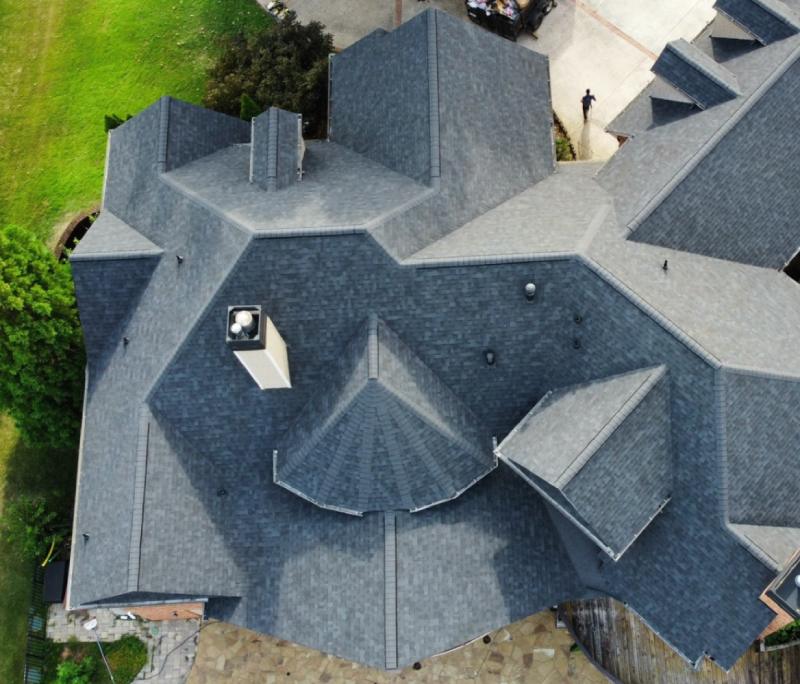
Architectural Shingles vs. 3-Tab Shingles: Which Is Right for Your Roof?
If you're planning a roof replacement, one of the first decisions you'll make is choosing the right type of shingle. Two of the most common asphalt roofing options are 3-tab shingles and architectural shingles. While both provide reliable protection, they differ in appearance, durability, lifespan, and cost.
Understanding these differences can help you choose the best roofing system for your home and budget.
What Are 3-Tab Shingles?
3-tab shingles have been used on residential homes for decades. Each shingle consists of a single layer of asphalt with three evenly spaced tabs that create a flat, uniform appearance.
Benefits of 3-Tab Shingles
- Lower upfront cost
- Lightweight construction
- Clean, traditional appearance
- Widely available
Because of their affordability, 3-tab shingles are often chosen for rental properties, budget-conscious projects, or homes where appearance isn't the primary concern.
What Are Architectural Shingles?
Architectural shingles—also called dimensional or laminated shingles—are made with multiple layers of asphalt. This thicker construction creates depth and texture that more closely resembles natural wood shake or slate roofing.
Today, architectural shingles are the most popular choice for residential roof replacements.
Benefits of Architectural Shingles
- Enhanced curb appeal
- Greater durability
- Better wind resistance
- Longer lifespan
- Improved resistance to weather and impact
- More color and style options
Their dimensional appearance gives homes a more premium look while providing stronger protection against Georgia's changing weather.
Durability Comparison
One of the biggest differences between these two roofing materials is durability.
Because architectural shingles are thicker and heavier, they're generally better equipped to withstand:
- High winds
- Heavy rain
- Hail
- Temperature fluctuations
- Everyday wear and tear
For homeowners in Georgia, where severe thunderstorms and strong winds are common, this added durability can be a valuable investment.
Lifespan Comparison
While actual lifespan depends on installation quality, ventilation, weather, and maintenance, architectural shingles generally last significantly longer than traditional 3-tab shingles.
Many homeowners choose architectural shingles because they offer years of additional protection before replacement becomes necessary.
Appearance Matters
Your roof can account for nearly 40% of your home's visible exterior.
Architectural shingles add depth, texture, and dimension that can dramatically improve curb appeal.
Many homeowners find the upgraded appearance well worth the additional investment, especially if they plan to stay in their home for many years or are preparing to sell.
Cost Considerations
3-tab shingles usually have a lower initial installation cost.
Architectural shingles typically cost more upfront, but their longer lifespan and increased durability often provide better long-term value by reducing repair and replacement needs.
Choosing the least expensive option today isn't always the most economical decision over the life of your roof.
Which Option Is Best for Georgia Homes?
For most homeowners, architectural shingles provide the best balance of beauty, durability, and long-term performance.
Their ability to withstand severe weather, combined with their attractive appearance, makes them an excellent choice for homes throughout Georgia.
However, every property is unique. Factors such as your home's age, roof design, neighborhood requirements, and budget should all be considered before making a decision.
Let URC Roofing Help You Choose
Selecting the right roofing material doesn't have to be overwhelming.
At URC Roofing, we'll evaluate your home's needs, explain your options, and help you choose the roofing system that best fits your budget and long-term goals.
If you're considering a roof replacement, contact URC Roofing today to schedule your free inspection and receive expert guidance on the best shingles for your home.