

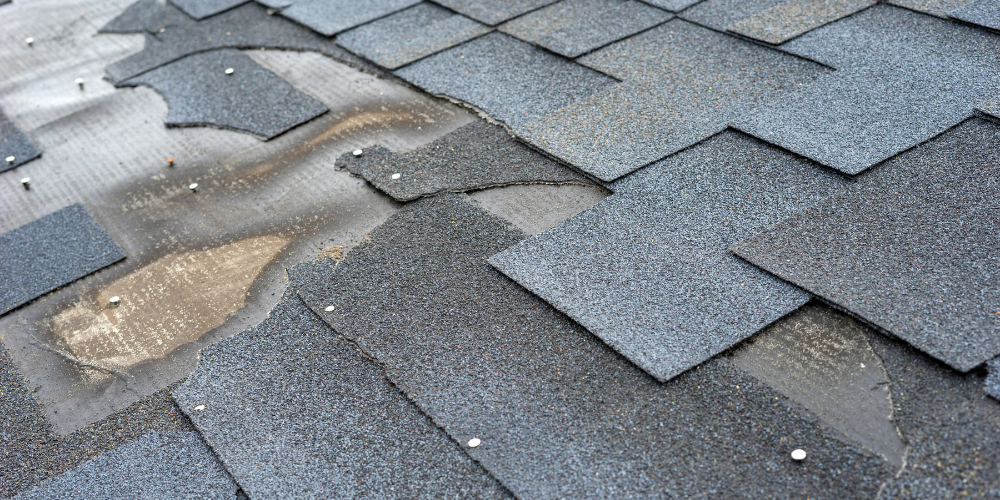
Can High Winds Damage a Roof Without Tearing Off Shingles?
When a severe storm passes through, many homeowners step outside, look around their yard, and breathe a sigh of relief if they don't see shingles scattered across the lawn.
While missing shingles are an obvious sign of roof damage, they're far from the only indicator. In fact, some of the most serious wind damage is completely invisible from the ground.
High winds can weaken your roofing system without removing a single shingle, leaving your home vulnerable to leaks, moisture damage, and costly repairs down the road.
If your area recently experienced strong winds or severe thunderstorms, here's what you need to know.
The Short Answer: Yes
Wind doesn't have to rip shingles off your roof to cause damage.
As wind travels over your roof, it creates pressure that can lift the edges of shingles. This repeated lifting and flexing can weaken the materials, break the adhesive seal, and create small openings where water can enter.
Even if every shingle appears to be in place, your roof may still have sustained damage that should be inspected by a professional.
How Wind Damages a Roof
Not all storm damage is dramatic. Some of the most common problems begin with subtle changes that homeowners can't safely spot from the ground.
Broken Shingle Seals
Modern asphalt shingles are installed with adhesive strips that help them resist wind uplift.
During high winds, these seals can separate from the shingles below them. Once broken, they often don't reseal properly, making the shingles more likely to lift or blow off during future storms.
Lifted Shingles
A shingle doesn't have to be missing to be damaged.
Even a slightly lifted shingle allows wind-driven rain to reach the roofing materials underneath. Over time, this can lead to moisture intrusion, wood rot, and interior leaks.
Creased Shingles
As shingles bend back and forth in strong winds, they can develop creases near the area where they were lifted.
These creases weaken the shingle and are often a sign that replacement is necessary, even if the shingle hasn't blown away.
Loose or Damaged Flashing
Flashing protects vulnerable areas around chimneys, skylights, roof valleys, and vents.
Strong winds can loosen or bend flashing, creating gaps where rainwater can seep into your home.
Exposed Nails
When shingles lift, roofing nails may become exposed to the elements.
Once water reaches these fasteners, it can travel beneath the roofing system and eventually find its way into your attic or ceilings.
Can Wind Cause Leaks Days or Weeks Later?
Absolutely.
One of the biggest misconceptions about roof damage is that leaks happen immediately after a storm.
In reality, water often enters through tiny openings and slowly works its way beneath the roofing system. Depending on weather conditions, insulation, and attic ventilation, it may take days—or even weeks—for water stains to appear inside your home.
That's why waiting for a leak isn't always the best approach.
Common Signs of Hidden Wind Damage
After a windstorm, keep an eye out for:
- Shingles that appear uneven or lifted
- Granules collecting in gutters or downspouts
- Pieces of shingles or roofing materials in your yard
- Bent or loose gutters
- Damaged flashing around roof penetrations
- Water stains on ceilings or walls
- Damp insulation in the attic
- Drafts or daylight visible in the attic
If you notice any of these signs, it's a good idea to schedule a professional roof inspection.
Why You Shouldn't Inspect Your Roof Yourself
After a storm, it's natural to want to climb a ladder and take a closer look.
However, walking on a damaged roof can be dangerous. Wet shingles, hidden soft spots, and loose materials increase the risk of slipping or causing additional damage.
Instead, perform a visual inspection from the ground using binoculars if available, and contact a qualified roofing professional if you suspect storm damage.
Why Early Inspections Matter
Even minor wind damage can worsen over time.
A loose shingle today may become a missing shingle during the next thunderstorm. Small openings that allow moisture inside can eventually lead to:
- Interior water damage
- Mold and mildew growth
- Damaged insulation
- Wood rot
- Higher repair costs
Having your roof inspected shortly after a major wind event allows small issues to be addressed before they become expensive problems.
Will Insurance Cover Wind Damage?
Many homeowners insurance policies cover sudden wind damage caused by severe weather, although coverage depends on your specific policy and the condition of your roof before the storm.
If you suspect wind damage:
- Take photos from the ground if it's safe to do so.
- Avoid making temporary repairs unless necessary to prevent further damage.
- Schedule a professional roof inspection.
- Keep records of the storm date and any visible damage.
A roofing contractor can often provide documentation that may be helpful if you decide to file an insurance claim.
Protect Your Home Before the Next Storm
Georgia's storm season can bring powerful wind gusts with little warning. Even if your roof looks fine from the ground, hidden damage can compromise its ability to protect your home during the next round of severe weather.
Scheduling an inspection after a significant windstorm provides peace of mind and helps identify problems before they turn into major repairs.
Schedule a Professional Roof Inspection
If your home has recently experienced high winds or severe thunderstorms, don't assume your roof escaped without damage simply because no shingles are missing.
The experienced team at URC Roofing provides comprehensive storm damage inspections to identify hidden issues, explain your options, and help you protect your home.
Contact URC Roofing today to schedule your roof inspection and ensure your roof is ready for whatever the next storm brings.
Frequently Asked Questions
Can shingles be damaged without falling off?
Yes. High winds can lift shingles, break their adhesive seal, or create creases that weaken them without causing them to detach from the roof.
How strong do winds need to be to damage a roof?
The answer depends on the age, condition, and materials of your roof. Even moderate wind gusts can damage older roofs or roofs with existing wear.
Should I have my roof inspected after every major windstorm?
If your area experienced severe weather, high wind gusts, hail, or falling debris, it's a good idea to have your roof inspected—even if no damage is immediately visible.
How long should I wait before getting my roof inspected?
As soon as it's safe after the storm. Early inspections can catch hidden damage before it leads to leaks and can help document storm-related issues if you need to file an insurance claim.


10 Signs Your Roof Was Damaged by Last Night's Storm
Summer storms can roll through Georgia with little warning, bringing high winds, heavy rain, hail, and falling debris. Even if your home appears untouched from the ground, your roof may have suffered damage that isn't immediately obvious.
The problem is that storm damage often starts small. A lifted shingle or damaged piece of flashing can allow water to seep beneath your roofing system, leading to leaks, mold growth, wood rot, and costly repairs over time.
If your area experienced severe weather recently, here are ten signs your roof may have been damaged—and why it's important to have it inspected as soon as possible.
1. Missing or Lifted Shingles
Missing shingles are one of the most recognizable signs of storm damage, but lifted shingles can be just as problematic.
Strong winds can break the adhesive seal that keeps shingles secured to your roof. Even if they don't blow away immediately, these loosened shingles are far more vulnerable during the next storm.
2. Granules Collecting in Your Gutters
Asphalt shingles are coated with protective granules that shield them from UV rays and harsh weather.
After a severe storm, check your gutters and downspouts. An unusual amount of black, gray, or sand-like granules may indicate that your shingles have been damaged and are beginning to deteriorate.
3. Dented Metal Components
Inspect metal roof vents, flashing, gutters, and other exposed metal surfaces.
Dents can indicate hail impact, even if your shingles appear intact. Hail damage isn't always obvious from the ground, but these dents often signal that your roofing materials experienced significant force.
4. Water Stains on Ceilings or Walls
One of the first interior signs of roof damage is discoloration on ceilings or walls.
Keep in mind that leaks don't always appear immediately after a storm. Water can travel through your attic before becoming visible inside your home, sometimes days or even weeks later.
5. Tree Limbs or Debris on Your Roof
Even small branches can scrape away protective granules or crack shingles when blown across your roof.
Larger limbs may puncture the roofing system or damage flashing, creating openings where water can enter.
If a tree has made contact with your roof, it's a good idea to schedule a professional inspection—even if the damage isn't obvious.
6. Bent or Loose Flashing
Flashing protects the vulnerable areas around chimneys, skylights, roof valleys, and vents.
Strong winds can bend, loosen, or partially detach flashing, allowing rainwater to penetrate areas that normally remain watertight.
7. Visible Shingle Damage
Look for shingles that appear:
- Creased
- Cracked
- Torn
- Curled
- Buckled
These signs often indicate wind damage that weakens your roof's ability to shed water effectively.
8. Damaged Gutters
Your gutters do more than carry water away from your home.
After a storm, look for:
- Loose gutter sections
- Sagging gutters
- Bent brackets
- Dents from hail
- Water overflowing where it normally doesn't
Gutter damage may also indicate that debris or wind impacted your roof.
9. Leaks or Moisture in the Attic
If it's safe to do so, inspect your attic after a major storm.
Watch for:
- Damp insulation
- Water stains
- Mold growth
- Wet rafters
- Sunlight shining through the roof deck
These are strong indicators that water has found a path through your roofing system.
10. Roofing Material in Your Yard
After severe weather, take a walk around your property.
Pieces of shingles, flashing, roofing nails, or other construction materials may have blown off your roof during the storm.
Even a single missing component can expose your roof to future water damage.
Why Storm Damage Isn't Always Visible
Many homeowners assume that if they don't see missing shingles, their roof escaped the storm without damage.
Unfortunately, that's not always the case.
High winds can loosen shingles without removing them. Hail can bruise shingles beneath the surface. Flashing can shift just enough to allow water inside without appearing damaged from the ground.
Because of this, professional inspections often uncover issues homeowners can't safely see themselves.
What Should You Do Next?
If you suspect your roof may have been damaged:
- Avoid climbing onto the roof yourself.
- Take photos of any visible damage from the ground.
- Check your attic for signs of moisture.
- Schedule a professional roof inspection as soon as possible.
Prompt inspections can identify small problems before they become expensive repairs and can also help document damage if you need to file an insurance claim.
Schedule a Storm Damage Roof Inspection
Storm damage isn't always obvious—but catching it early can save you thousands in repairs.
If your home recently experienced high winds, hail, or heavy rain, the team at URC Roofing is here to help. Our experienced professionals provide thorough roof inspections and can identify storm-related damage before it leads to bigger problems.
Contact URC Roofing today to schedule your inspection and gain peace of mind after the storm.
Frequently Asked Questions
Can my roof have storm damage even if there are no leaks?
Yes. Damage often develops into leaks over time rather than immediately.
Should I inspect my roof after every major storm?
Yes. A quick visual inspection from the ground and a professional inspection after severe weather can help catch hidden damage early.
How soon should I schedule an inspection after a storm?
As soon as it's safe. Early documentation is especially important if you may need to file an insurance claim.