


How Clogged Gutters Can Damage Your Foundation
Introduction
Most homeowners understand that gutters help direct rainwater away from the roof, but many don't realize just how important gutters are to the health of their entire home.
Your gutter system plays a critical role in protecting your foundation, siding, landscaping, and roofing system from water damage. When gutters become clogged with leaves, pine needles, and debris, they can no longer perform their job effectively.
The result is often far more serious than a simple overflow during a rainstorm.
Your Gutter System Protects More Than Your Roof
A properly functioning gutter system collects rainwater from your roof and channels it safely away from your home's foundation through downspouts.
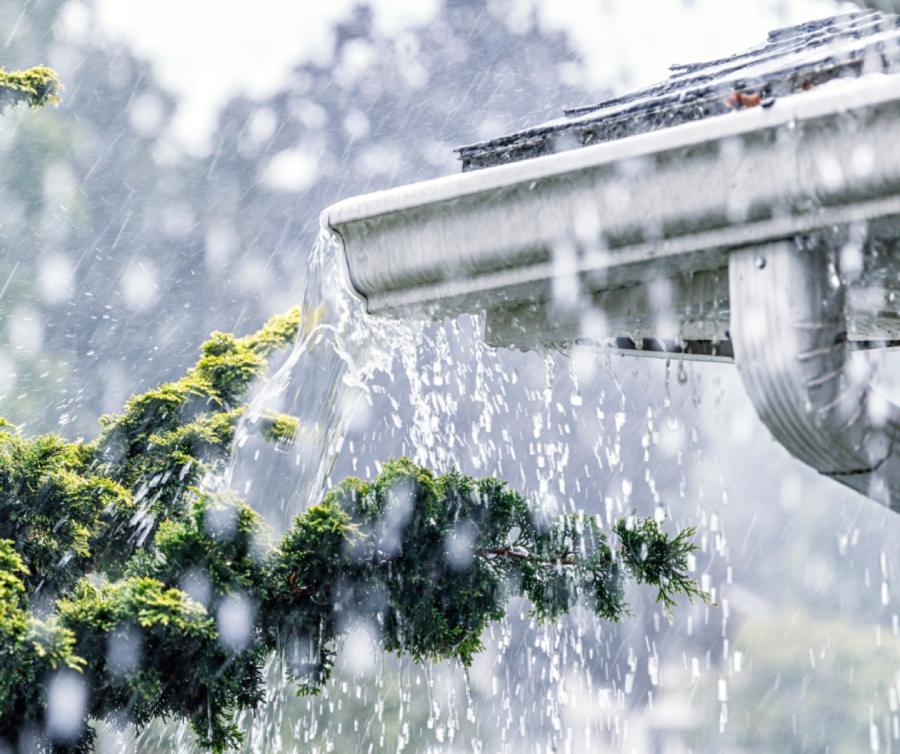
During a heavy rainstorm, thousands of gallons of water may flow off your roof.
Without effective drainage, that water has to go somewhere, and it often ends up causing damage to the areas surrounding your home.
Water Pooling Around the Foundation
One of the biggest risks associated with clogged gutters is water accumulation around the foundation.
When gutters overflow, water pours directly next to the house rather than being carried away.
Over time, this excess moisture can:
- Saturate the soil
- Increase pressure against foundation walls
- Cause foundation settlement
- Create cracks in concrete
Even small foundation issues can become expensive if left unaddressed.
Soil Erosion Weakens Foundation Support
Overflowing gutters often create concentrated streams of water that repeatedly impact the same areas.
As water continues to wash over the soil, erosion begins to occur.
This erosion can:
- Remove soil supporting the foundation
- Create uneven settling
- Damage landscaping
- Alter drainage patterns
Proper water management is one of the most important factors in maintaining long-term foundation stability.
Basement and Crawl Space Moisture
When water accumulates around your foundation, it frequently finds pathways into lower levels of the home.
Homeowners may notice:
- Damp basements
- Musty odors
- Standing water
- Increased humidity
- Mold growth
These moisture issues can create both structural concerns and indoor air quality problems.
Clogged Gutters Can Damage Your Roof
Many homeowners are surprised to learn that clogged gutters can actually damage the roof itself.
When gutters fill with debris, water may back up underneath roofing materials.
This can lead to:
- Rotting fascia boards
- Roof deck deterioration
- Water intrusion
- Premature roof aging
Routine gutter maintenance helps protect both the roof and the foundation.
Preventative Maintenance Saves Thousands
The good news is that gutter-related foundation damage is often preventable.
Homeowners should:
- Clean gutters regularly
- Inspect downspouts after storms
- Check for sagging sections
- Ensure water is directed away from the home
- Schedule annual inspections
A few hours of maintenance each year can help avoid thousands of dollars in repairs later.
Conclusion
Gutters may seem like a small part of your home, but they play a major role in protecting your property from water damage. Keeping your gutters clean and functioning properly helps safeguard your foundation, roof, landscaping, and home value for years to come.
If you've noticed overflowing gutters, standing water, or signs of water damage around your home, now is the time to have your gutter system inspected before a small issue becomes a costly repair.

The True Cost of Waiting to Repair a Roof Leak
It's easy to ignore a small roof leak. Maybe you've noticed a faint water stain on the ceiling or a drip that only appears during heavy rain. Many homeowners assume that if the leak isn't getting worse, it can wait until next season or until there's room in the budget.
Unfortunately, roof leaks rarely stay small for long.
What starts as a minor roofing issue can quickly lead to extensive damage throughout your home. Water has a way of finding paths you can't see, damaging insulation, drywall, framing, and even your home's foundation over time. The longer a leak is left unaddressed, the more expensive the repairs typically become.
Understanding the true cost of waiting can help homeowners make informed decisions and avoid thousands of dollars in preventable damage.
Water Never Stays in One Place
One of the biggest misconceptions homeowners have about roof leaks is that the source of the leak is directly above the water stain.
In reality, water often travels significant distances once it enters your roofing system.
A small opening around a vent, chimney, flashing, or damaged shingle can allow water to enter the roof assembly. From there, moisture may run along rafters, soak insulation, and spread behind walls before finally becoming visible inside the home.
By the time you notice a stain on your ceiling, water may have already been causing damage for weeks or even months.
This hidden damage is one of the primary reasons professional roof inspections are so important when a leak is first discovered.
Structural Damage Can Escalate Quickly
Your roof protects some of the most important structural components of your home. When water penetrates that protective barrier, it begins to weaken the materials that support your house.
Common areas affected by prolonged roof leaks include:
- Roof decking
- Rafters and trusses
- Ceiling joists
- Interior framing
- Drywall and ceilings
Wood exposed to moisture for extended periods can rot, warp, and lose strength. What might have started as a simple repair involving a few shingles can eventually require replacing sections of the roof structure itself.
Structural repairs are often significantly more expensive than addressing the leak when it first appears.
Mold Growth Can Become a Serious Problem
Moisture creates the perfect environment for mold growth.
In warm, humid climates like Georgia, mold can begin developing surprisingly quickly once water enters the home. Attics, wall cavities, and insulation are particularly vulnerable because moisture can remain trapped and unnoticed.
Mold growth can:
- Damage building materials
- Spread throughout the home
- Create unpleasant odors
- Reduce indoor air quality
- Increase remediation costs
Many homeowners are surprised to learn that mold remediation can cost far more than the original roof repair.
Addressing leaks early helps prevent moisture from creating conditions where mold can thrive.
Wet Insulation Increases Energy Costs
A leaking roof doesn't just damage building materials. It can also impact your monthly utility bills.
Insulation works by trapping air and slowing the transfer of heat. When insulation becomes wet, it loses much of its insulating ability.
As a result:
- Your air conditioner works harder during summer
- Your heating system runs longer during winter
- Indoor temperatures become less consistent
- Energy bills increase
Many homeowners don't connect rising utility costs to a roof leak, but compromised insulation can significantly reduce your home's energy efficiency.
Interior Damage Adds Up Fast
Water entering through the roof can affect nearly every part of your home's interior.
Common forms of interior damage include:
- Stained ceilings
- Damaged drywall
- Peeling paint
- Warped flooring
- Ruined carpeting
- Damaged furniture and belongings
Even a relatively small leak can create costly repairs inside the home if it continues long enough.
Protecting your roof helps protect everything underneath it.
Small Repairs Can Become Full Roof Replacements
Perhaps the most expensive consequence of delaying repairs is the increased likelihood of needing a roof replacement.
A few damaged shingles or a minor flashing issue can often be repaired quickly and affordably. However, when water is allowed to penetrate the roofing system for months or years, widespread deterioration may occur.
At that point, repairs may no longer be enough.
Replacing an entire roof is a much larger investment than correcting a small issue before it spreads.
Signs You Should Schedule a Roof Inspection
Homeowners should never ignore signs of potential roof damage.
Watch for:
- Water stains on ceilings or walls
- Missing or damaged shingles
- Sagging ceiling areas
- Musty odors in the attic
- Mold growth
- Dripping water during storms
- Granules accumulating in gutters
If you notice any of these warning signs, scheduling a professional roof inspection can help identify the problem before it becomes more serious.
Conclusion
A roof leak is one of those problems that rarely improves with time. What seems like a minor inconvenience today can quickly develop into structural damage, mold growth, higher energy costs, and expensive repairs throughout the home.
Taking action early can save thousands of dollars while protecting your property and your family's comfort. If you suspect your roof may be leaking, a professional inspection is often the smartest investment you can make.