

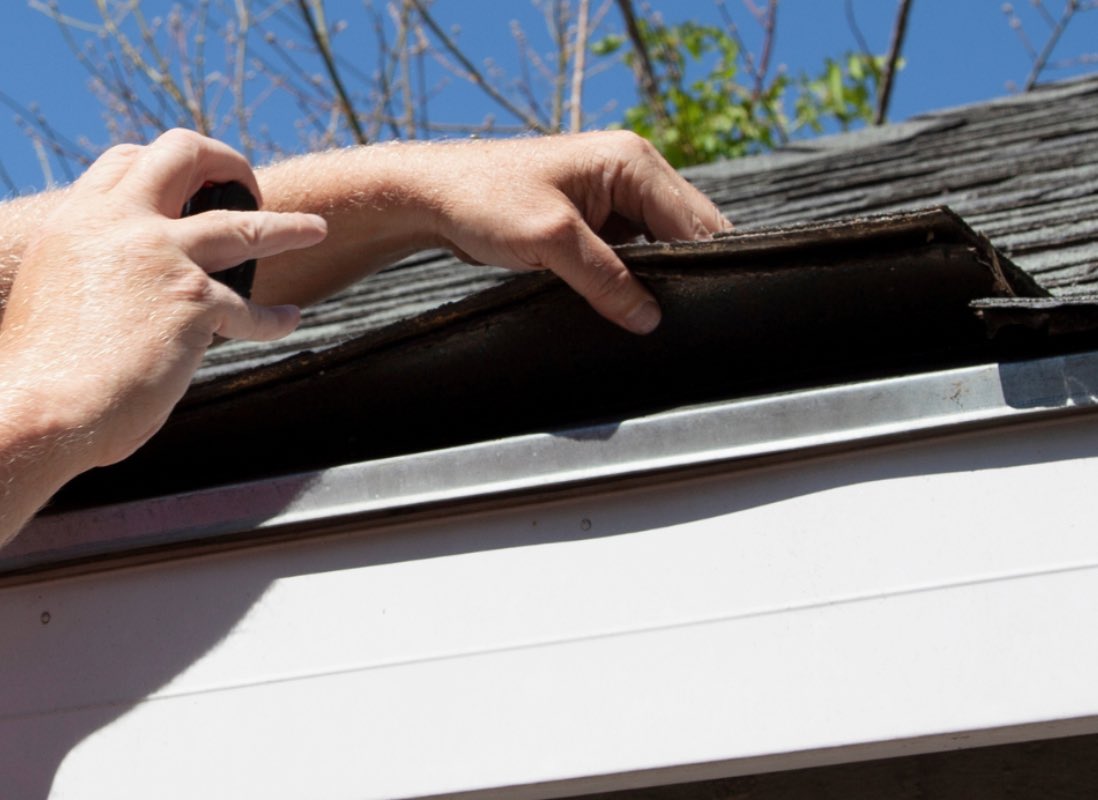
Granules in Your Gutters After Rain: A Warning Sign Most People Ignore
After a heavy rain, most homeowners don’t think twice about what’s sitting in their gutters. But if you start noticing a buildup of small, sand-like particles, it’s something you shouldn’t ignore.
Those particles are roofing granules—and they can tell you a lot about the condition of your roof.
What Are Roof Granules?
If you have an asphalt shingle roof, each shingle is coated with granules. These granules serve a purpose—they protect the shingle from UV rays, add fire resistance, and help extend the life of your roof.
Over time, it’s normal for a small amount of granule loss to occur. But when it becomes noticeable, it’s usually a sign of a bigger issue.
Why Granules End Up in Your Gutters
Granules don’t just fall off randomly. There’s usually a reason behind it.
1. Age of the Roof
As shingles get older, they start to break down. Granule loss is one of the first visible signs that your roof is nearing the end of its lifespan.
2. Storm Damage
Heavy rain, hail, and strong winds can loosen granules and wash them into your gutters. Even if you don’t see obvious damage, storms can accelerate wear.
3. Poor Installation
If a roof wasn’t installed properly, shingles may shed granules earlier than expected.
4. Foot Traffic
Walking on the roof—especially in hot weather—can cause granules to loosen and dislodge.
When Should You Be Concerned?
Not all granule loss is a problem, but there are clear signs when it becomes one.
You should pay attention if:
- You see large amounts of granules after every storm
- Your gutters consistently fill with granules
- You notice bald spots or discoloration on shingles
- Your roof is 10–15+ years old
At that point, it’s no longer normal wear—it’s deterioration.
What Happens If You Ignore It?
Granules act as a protective layer. Once they’re gone, your shingles are exposed.
That can lead to:
- Faster UV damage
- Cracking and curling shingles
- Increased risk of leaks
- Shortened roof lifespan
What starts as a minor issue can turn into a full roof replacement if left unchecked.
What You Should Do Next
If you’re seeing granules in your gutters, the next step is simple—get your roof inspected.
A professional inspection can determine:
- Whether the damage is normal or accelerated
- If there’s storm-related damage
- How much life your roof has left
In some cases, repairs may be enough. In others, it may be time to start planning for replacement.
Final Thoughts
Granules in your gutters might seem like a small detail, but they’re often one of the earliest warning signs that your roof is wearing down.
Catching it early gives you options. Waiting too long usually limits them.
At URC, we offer roof inspections to help homeowners understand exactly what’s going on with their roof—no guesswork, no pressure, just clear answers.

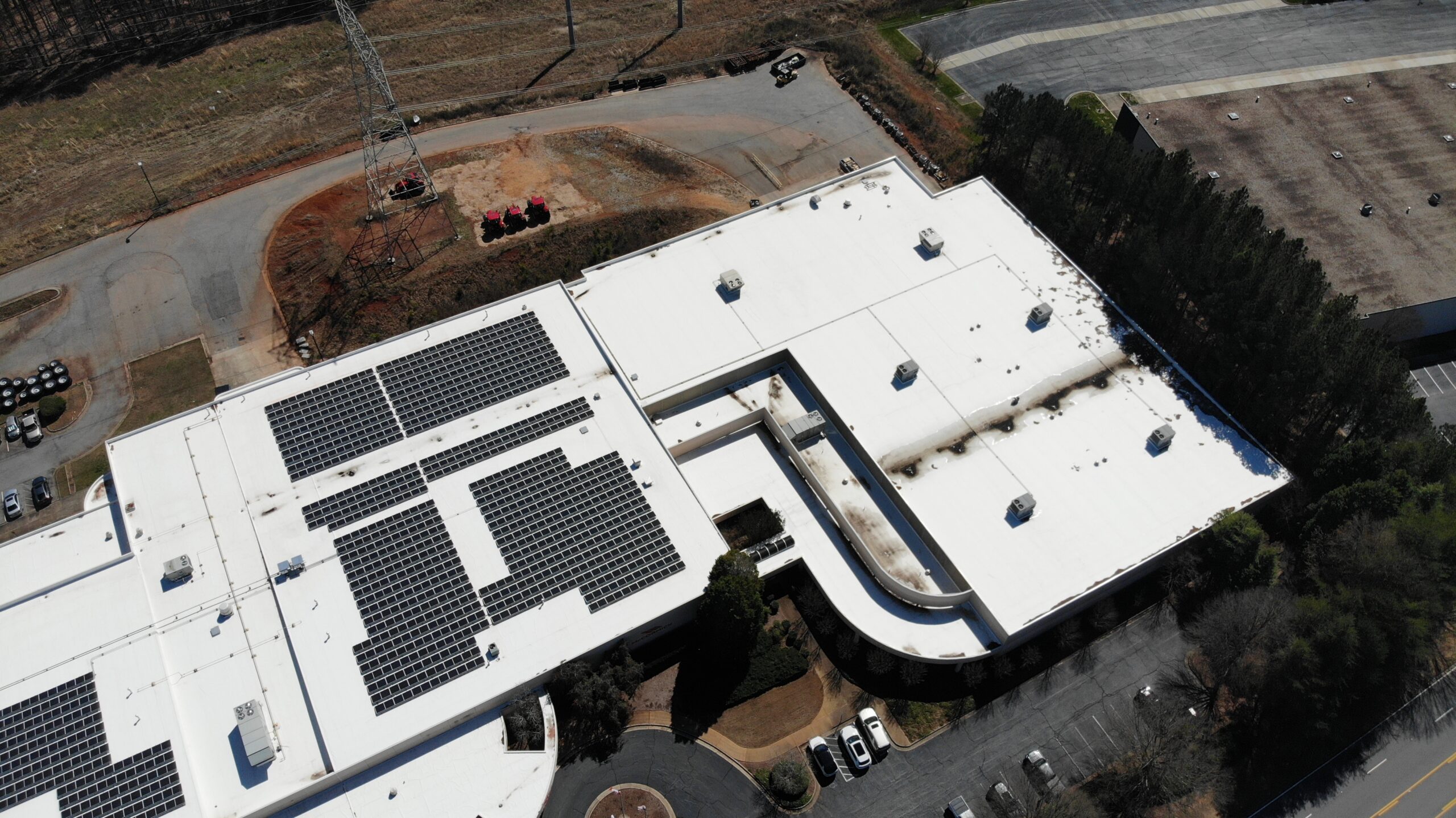
How Roof Coatings Can Extend the Life of Your Commercial Roof
Your commercial roof is one of the most expensive systems on your building. Replacing it too early can cost tens of thousands of dollars, but waiting too long can lead to leaks, structural issues, and business disruption. Roof coatings sit right in that middle ground—they’re one of the most cost-effective ways to extend the life of your roof without committing to a full replacement.
What Is a Roof Coating?
A roof coating is a liquid-applied membrane that is sprayed or rolled onto your existing roof. Once it cures, it creates a seamless, waterproof barrier that protects the surface underneath.
Most commercial coatings are designed for flat or low-slope roofs and are commonly used on systems like TPO, EPDM, and modified bitumen.
How Roof Coatings Actually Extend Roof Life
Roof coatings aren’t just a temporary fix—they address the main reasons commercial roofs fail in the first place.
1. Stops Water Intrusion
Water is the biggest threat to any commercial roof. Over time, seams, flashing, and penetrations start to weaken. A coating seals these vulnerable areas, preventing water from getting in and causing damage.
2. Protects Against UV Damage
Constant sun exposure breaks down roofing materials over time. Coatings reflect UV rays instead of absorbing them, slowing down that deterioration significantly.
3. Reduces Thermal Expansion
Roof materials expand and contract with temperature changes. Over time, this movement causes cracks and separation. A coating adds flexibility and helps absorb that stress.
4. Reinforces Weak Areas
Instead of tearing off your entire roof, coatings strengthen what’s already there. This is especially useful if your roof is aging but still structurally sound.
When a Roof Coating Makes Sense
Roof coatings are a great option, but they’re not for every situation.
They work best when:
- The roof is aging but still in decent condition
- There are minor leaks or wear, but no major structural damage
- You want to delay a full replacement
- You’re looking for a more cost-effective solution
They may not be the right choice if:
- The roof is severely damaged
- There’s widespread water saturation underneath
- Structural components are compromised
Cost vs Replacement
One of the biggest advantages of roof coatings is cost.
A full commercial roof replacement can be a major investment. Coatings typically cost a fraction of that and can extend the life of your roof by 10–15 years when applied correctly.
For many business owners, that extra time is critical—it allows you to plan for replacement instead of reacting to a failure.
Energy Efficiency Benefits
Many coatings are highly reflective, which helps reduce heat absorption. That can lower indoor temperatures and reduce strain on your HVAC system, especially during Georgia summers.
Over time, that can translate into noticeable energy savings.
The Importance of Proper Application
A coating is only as good as the prep work behind it.
Before applying a coating, the roof needs to be:
- Cleaned thoroughly
- Inspected for damage
- Repaired where necessary
Skipping these steps can lead to premature failure and wasted money.
Final Thoughts
Roof coatings aren’t a shortcut—they’re a strategic way to extend the life of your commercial roof while avoiding the cost and disruption of a full replacement.
If your roof is starting to show signs of wear, it’s worth having it inspected to see if a coating is a viable option.
At URC, we help business owners evaluate whether a coating makes sense or if a replacement is the better long-term move. If you’re unsure, a professional inspection is the best place to start.