

Wind Damage vs. Hail Damage: What’s the Difference?
After a storm, it’s not always clear what kind of damage your roof has sustained. Was it wind? Hail? Both?
Understanding the difference between wind and hail damage can help you take the right next steps—and ensure your home is properly protected.
Why It’s Important to Know the Difference
Wind and hail damage affect your roof in different ways—and insurance claims can depend on correctly identifying the cause.
Knowing what to look for can help you:
- Catch issues early
- Communicate clearly with contractors
- Navigate insurance claims more effectively
What Wind Damage Looks Like
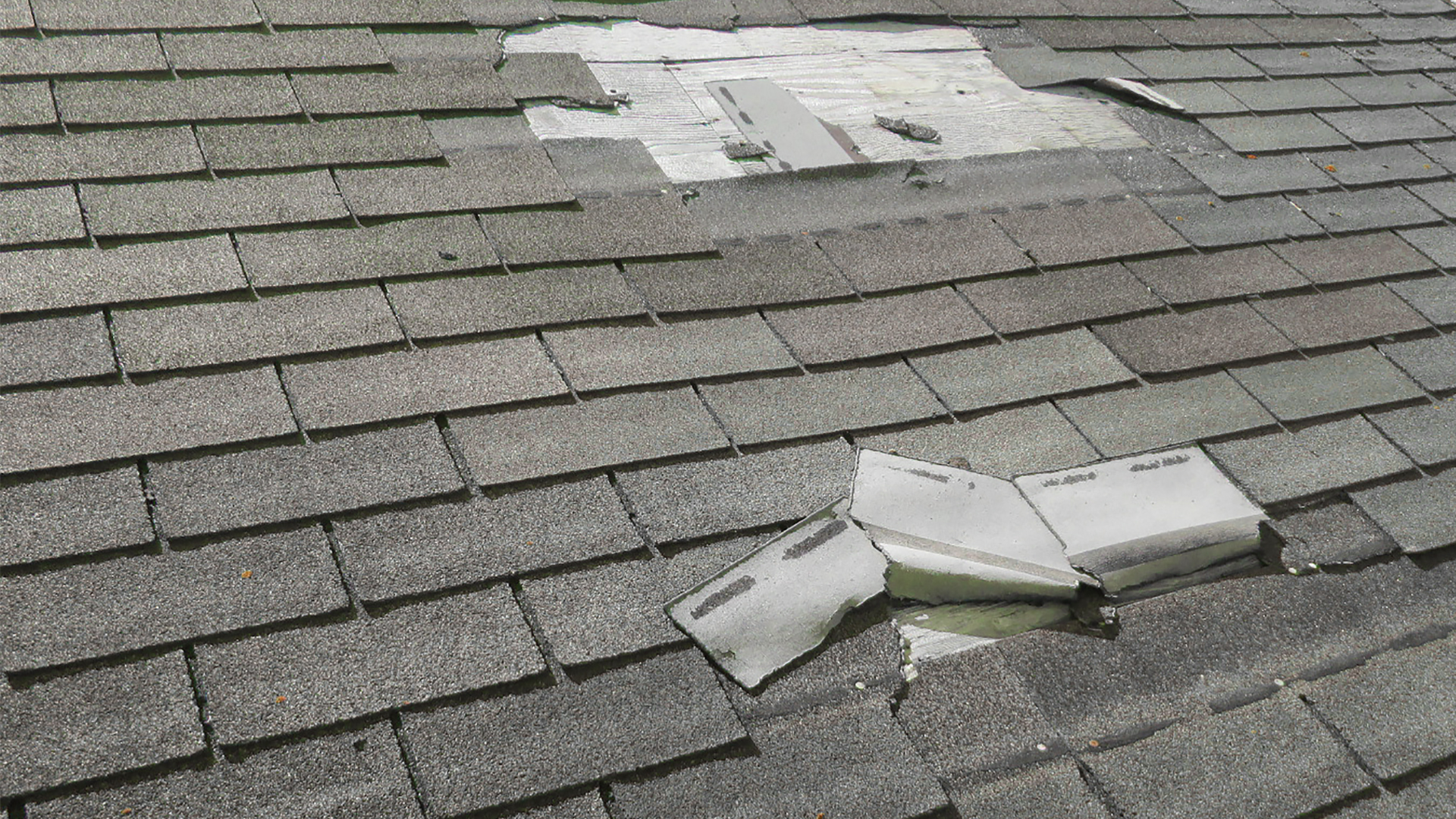
Wind damage is typically caused by strong gusts lifting or tearing shingles.
Common Signs of Wind Damage:
- Missing shingles
- Lifted or curled shingles
- Creased shingles (a sign they’ve been bent by wind)
- Debris impact (like fallen branches)
Wind damage often appears in patterns, especially along roof edges or ridges where wind pressure is strongest.
What Hail Damage Looks Like
Hail damage is caused by impact rather than lifting.
Common Signs of Hail Damage:
- Random dark spots or bruising
- Dents in shingles or soft spots
- Granule loss
- Cracks or punctures
Unlike wind damage, hail damage appears scattered and inconsistent, depending on where hailstones struck.
Key Differences at a Glance
Wind damage is typically caused by strong gusts that lift or tear shingles, often appearing in directional patterns along roof edges or ridges, with signs like missing, lifted, or creased shingles and debris such as fallen limbs. In contrast, hail damage results from the impact of hailstones and tends to appear randomly and scattered across the roof, showing up as bruised, dented, or cracked shingles, along with dents on gutters, vents, and siding.
Can You Have Both?
Yes—many Georgia storms bring both wind and hail.
It’s common to see:
- Missing shingles from wind
- Impact marks from hail
This combination can increase the risk of leaks and structural issues.
What to Do After Storm Damage
1. Inspect From the Ground
Look for obvious signs like missing shingles or dented gutters.
- Don’t Climb on the Roof
Storm damage can weaken your roof structure—leave inspections to professionals.
- Schedule a Professional Inspection
A roofing expert can:
- Identify the type of damage
- Determine severity
- Provide documentation for insurance
- Act Quickly
Waiting too long can:
- Lead to further damage
- Complicate insurance claims
- Increase repair costs
How a Roofing Professional Can Help
An experienced roofing company will:
- Accurately diagnose wind vs. hail damage
- Provide detailed inspection reports
- Help guide you through the insurance process
- Recommend the best course of action
Final Thoughts
Wind and hail damage may look similar at first glance, but understanding the difference is key to protecting your home and making informed decisions.
If your home has recently experienced a storm, a professional inspection is the best way to ensure nothing is missed.

What Hail Damage Looks Like on a Roof (And What to Do Next)
Hailstorms can cause serious damage to your roof—sometimes without you even realizing it. While some damage is obvious, other signs can be subtle and easy to miss until they turn into costly problems.
If your home has recently experienced a storm in Georgia, here’s how to identify hail damage and what steps to take next.
What Does Hail Damage Look Like on a Roof?
Hail damage can vary depending on the size of the hail, wind speed, and your roofing material. On asphalt shingles (the most common in Georgia), look for:
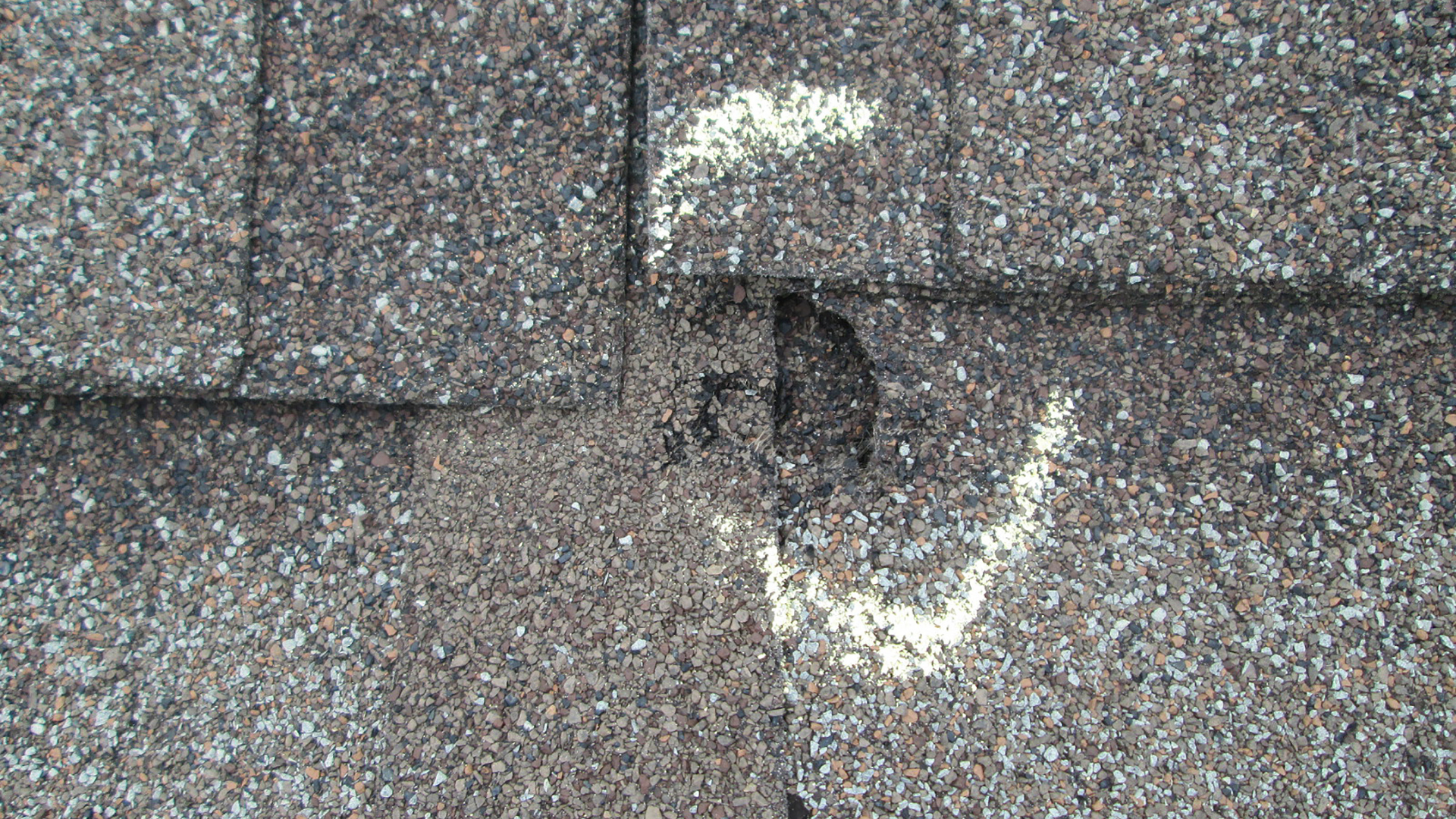
1. Dark Spots or Bruising
Hail impacts can knock away the protective granules on shingles, exposing the darker layer underneath. These spots often look like random, scattered marks across your roof.
2. Soft or Dented Areas
When touched, damaged shingles may feel soft—almost like a bruise. This indicates the structure of the shingle has been compromised.
3. Granule Loss
You may notice granules collecting in:
- Gutters
- Downspouts
- Around your home’s foundation
Granules protect your shingles from UV rays, so losing them shortens your roof’s lifespan.
4. Cracked or Split Shingles
Larger hailstones can cause visible cracks or splits, which can allow water to penetrate your roof.
Other Areas Hail Can Damage
Your shingles aren’t the only part of your home affected.
Check for damage on:
- Metal vents and flashing (dents or dings)
- Gutters and downspouts
- Siding and window trim
- Outdoor AC units
If these areas show signs of impact, your roof likely has damage too.
Why Hail Damage Is a Big Deal
Even minor-looking damage can lead to:
- Leaks
- Mold or mildew
- Structural issues
- Reduced roof lifespan
The biggest risk? Delayed problems. What looks like cosmetic damage today can turn into a leak months later.
What to Do After a Hailstorm
1. Do a Ground-Level Inspection
Walk around your home and look for visible signs of damage. Avoid climbing onto your roof—it’s not worth the risk.
- Document What You See
Take photos of:
- Damaged areas
- Debris
- Dented gutters or siding
This can help if you file an insurance claim.
- Schedule a Professional Roof Inspection
Many signs of hail damage aren’t visible from the ground.
A professional inspection will:
- Identify hidden damage
- Determine severity
- Provide documentation for insurance
- Understand Your Insurance Coverage
In many cases, hail damage is covered by homeowners insurance.
A roofing professional can:
- Help assess whether a claim is worth filing
- Provide detailed reports
- Work with your insurance adjuster
- Address Repairs Quickly
The sooner you act, the better.
Waiting can:
- Worsen damage
- Complicate insurance claims
- Increase repair costs
Why Professional Inspections Matter
Hail damage isn’t always obvious. A trained roofing expert knows exactly what to look for and can catch issues before they escalate.
For homeowners in Georgia, especially after strong storms, a professional inspection offers peace of mind—and potentially saves thousands in future repairs.
Final Thoughts
Hail damage can be easy to overlook but costly to ignore. If your home has recently been through a storm, taking action now can protect your investment and prevent bigger issues down the road.