

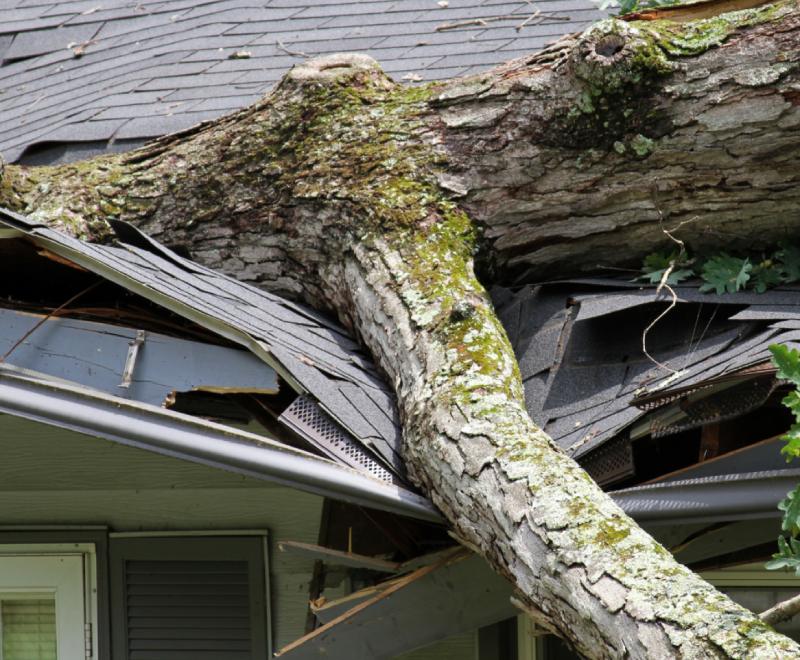
How Weather (Hail, Wind, Snow) Affects Your Roof
Your roof is your home’s first line of defense against the elements. Every season brings different challenges that can slowly — or suddenly — take a toll on your roofing system. Understanding how hail, wind, and snow affect your roof can help you spot potential issues early and avoid expensive repairs down the road.
How Hail Damages Your Roof
Hail may look harmless as it falls from the sky, but it can be surprisingly destructive to asphalt shingles.
Common hail-related damage includes:
- Cracked or fractured shingles
- Loss of protective granules
- Bruised shingles that weaken over time
The tricky part is that hail damage isn’t always obvious from the ground. Even small hailstones can shorten your roof’s lifespan, which is why a professional inspection after a storm is often a smart move.
How Wind Affects Your Roof
Strong winds are one of the most common causes of roof damage.
Wind can:
- Lift or loosen shingles
- Tear shingles completely off
- Expose underlayment and make your roof vulnerable to leaks
Older roofs or poorly installed shingles are especially susceptible to wind damage. What may start as a small problem can quickly turn into a major leak if left unaddressed.
How Snow and Ice Impact Your Roof
Snow and ice present a different kind of threat.
When snow accumulates on your roof, it adds extra weight that can stress the structure of your home. More importantly, melting and refreezing can create ice dams along the edges of your roof.
Ice dams trap water, forcing it under shingles and into your attic or walls — leading to:
- Ceiling stains
- Mold growth
- Structural damage
Proper attic insulation and ventilation play a key role in preventing these issues.
How These Elements Work Together Over Time
Hail, wind, and snow don’t just damage roofs individually — their effects often build on one another.
For example:
- Hail weakens shingles
- Wind loosens them further
- Snow and ice then allow water to penetrate damaged areas
This is why small, unnoticed problems can eventually turn into major repairs.
What Homeowners Should Do After a Storm
If your area experiences severe weather, consider taking these steps:
- Look for obvious damage from the ground (missing shingles, debris, etc.).
- Check your attic or ceilings for signs of leaks.
- Schedule a professional roof inspection.
- Document any visible damage if you plan to file an insurance claim.
Final Thoughts
Weather is unavoidable — but serious roof damage doesn’t have to be. Regular inspections and timely repairs can help protect your home and extend the life of your roof.
If your home or business has recently experienced a storm, consider scheduling a professional roof inspection to catch potential issues before they turn into costly repairs.

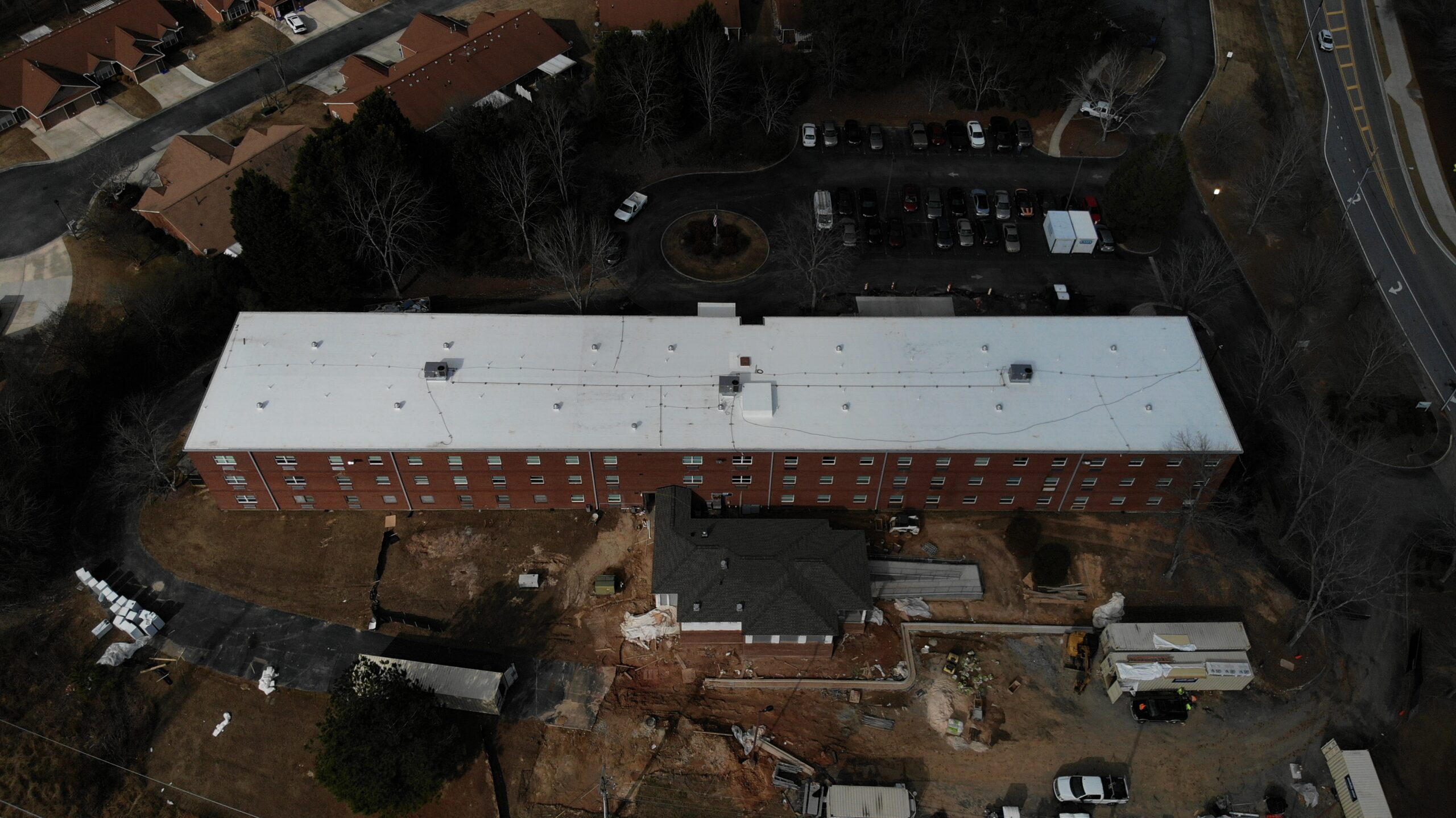
How Weather Impacts Commercial Roof Systems Differently Than Residential
Commercial and residential roofs may serve the same basic purpose — protecting a building from the elements — but they are very different in design, materials, and how they respond to weather. Because of these differences, storms and seasonal changes can affect commercial roof systems in ways that most homeowners never have to consider.
Understanding these distinctions helps business owners, property managers, and facilities teams make smarter decisions about maintenance, inspections, and long-term roofing investments.
Flat vs. Sloped Roofs — A Major Difference
One of the biggest contrasts between commercial and residential roofing is structure.
Most residential roofs are sloped, which allows rain, snow, and debris to naturally roll off. Commercial buildings, however, typically use flat or low-slope roofing systems such as TPO, EPDM, or modified bitumen.
Because flat roofs don’t shed water as easily, they are far more vulnerable to:
- Standing water (ponding)
- Slow leaks that develop over time
- Accelerated material wear due to constant moisture exposure
Heavy rain that might simply run off a home’s roof can create drainage challenges on a commercial building.
Wind Exposure and Surface Area
Commercial roofs cover much larger areas than residential roofs, which means they are exposed to more wind pressure during storms.
High winds can:
- Lift seams or edges of membrane roofing
- Loosen flashing around HVAC units, vents, and skylights
- Cause small failures that gradually worsen with repeated storms
Even if damage isn’t immediately visible from the ground, wind stress can weaken a commercial roof system over time if not addressed through routine inspections.
Hail and Impact Damage
Hail affects both commercial and residential roofs, but the impact can be very different depending on materials.
Residential roofs are most often made of asphalt shingles, which can crack, bruise, or lose granules when hit by hail.
Commercial roofs, on the other hand, may experience:
- Punctures in membrane roofing
- Damage to roof coatings
- Compromised seams that allow water infiltration
Because commercial roofs are harder to visually assess without professional equipment, hail damage often goes unnoticed until leaks appear inside the building.
Snow Load and Structural Stress
Snow is another weather factor that impacts commercial roofs more severely than residential ones.
Large, flat roof surfaces allow snow to accumulate rather than slide off. Over time, this adds significant weight to the building structure, increasing the risk of:
- Sagging or structural strain
- Water intrusion when snow begins to melt
- Ice formation that further blocks drainage systems
For businesses in colder climates, monitoring snow load and ensuring proper drainage is critical to preventing costly damage.
Why Maintenance Matters More for Commercial Roofs
Because commercial roofs are more complex and exposed to greater environmental stress, regular maintenance is essential.
Routine inspections can:
- Identify weak spots before they become major problems
- Extend the lifespan of the roofing system
- Reduce the likelihood of emergency repairs that disrupt business operations
Weather will always take its toll — but proactive care can significantly reduce its impact.