

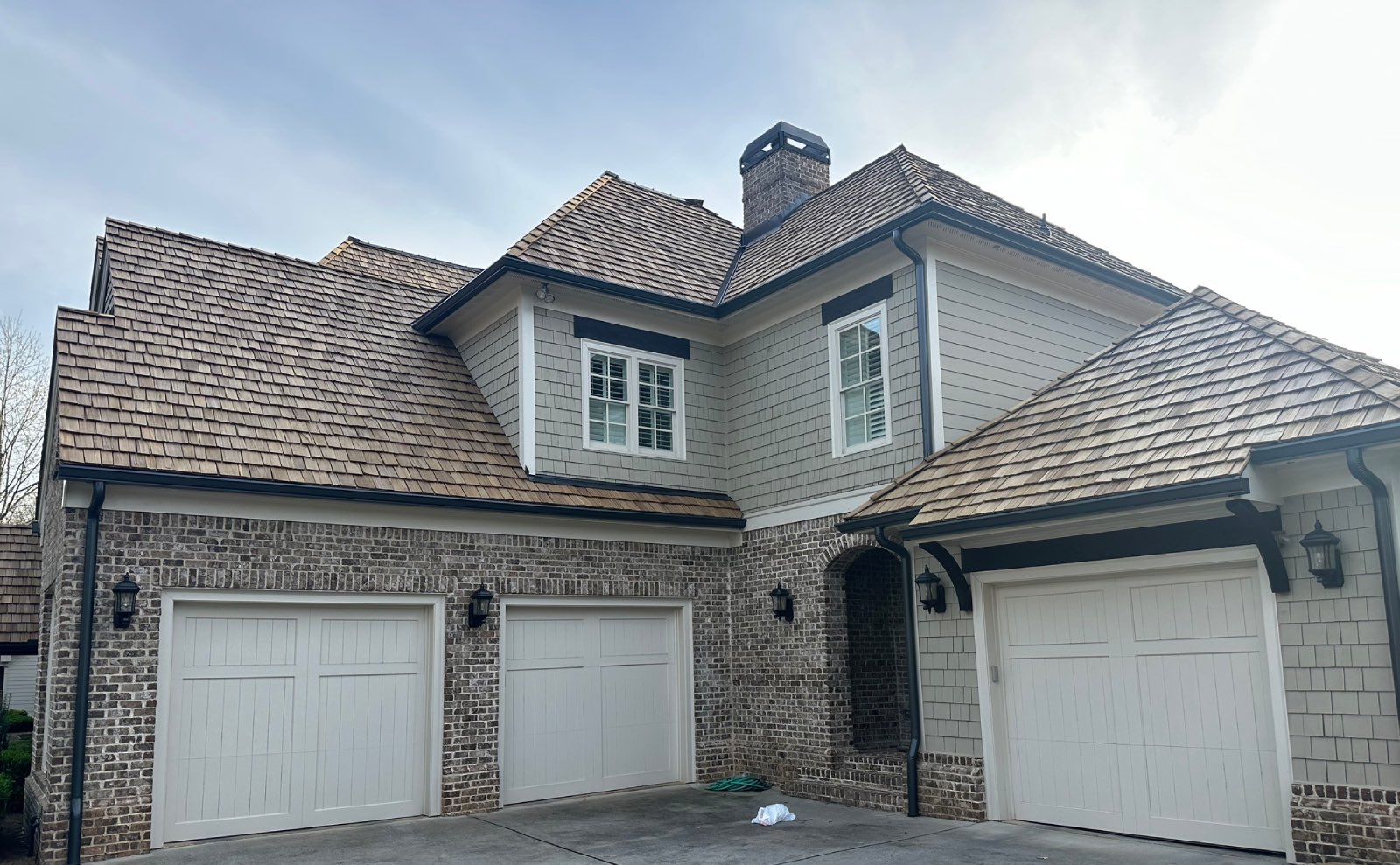
Roofing 101: Essential Terms Every Homeowner Should Know
When it comes to roof repairs or replacement, the terminology alone can feel overwhelming. Understanding basic roofing terms empowers homeowners to make informed decisions, communicate clearly with contractors, and feel confident about the work being done on their home.
This guide breaks down the most important roofing terms every homeowner should know—without the industry jargon.
Shingles
Shingles are the outermost layer of your roof and your home’s first line of defense against the elements. Asphalt shingles are the most common roofing material in Georgia due to their durability, affordability, and resistance to heat and storms.
Underlayment
Underlayment is a protective, water-resistant layer installed between the roof deck and shingles. It provides an extra barrier against moisture in case water gets past the shingles—especially important during heavy rain or storms.
Roof Deck (Decking)
The roof deck is the structural foundation of your roof, typically made from plywood or OSB. All roofing materials are installed on top of this surface. Damage to the decking often indicates long-term leaks or moisture issues.
Flashing
Flashing consists of thin metal pieces installed around roof penetrations such as chimneys, vents, skylights, and valleys. Its job is to redirect water away from vulnerable areas and prevent leaks—one of the most critical components of a watertight roof.
Ridge
The ridge is the highest horizontal point where two roof slopes meet. This area is sealed with ridge cap shingles to keep water out while maintaining a clean, finished look.
Ridge Vent
A ridge vent is a ventilation system installed along the roof’s ridge. It allows hot, humid air to escape from the attic, helping regulate temperature, reduce moisture buildup, and extend the lifespan of your roof.
Soffit
The soffit is the underside of the roof overhang. It helps ventilate the attic and protects rafters from moisture damage while also improving your home’s curb appeal.
Fascia
The fascia is the vertical board along the roof’s edge that supports the gutters. It plays both a structural and aesthetic role and helps protect the roof and home from water damage.
Drip Edge
A drip edge is a metal strip installed along the edges of the roof. It directs water away from the fascia and roof deck, preventing rot and improving overall drainage.
Pitch (Roof Slope)
Pitch refers to the steepness of your roof and is expressed as a ratio (such as 6:12). Roof pitch affects drainage, material selection, installation complexity, and overall cost.
Valley
A roof valley is where two roof slopes meet and channel water off the roof. Valleys handle a high volume of water and must be properly installed and sealed to prevent leaks.
Ice & Water Shield
Ice and water shield is a self-adhering waterproof membrane installed in high-risk areas like valleys, roof edges, and around penetrations. It provides added leak protection during heavy rain and wind-driven storms.
Why Roofing Knowledge Matters
Understanding these terms helps homeowners:
- Ask better questions during inspections
- Understand estimates and contracts
- Spot potential problems early
- Avoid confusion or miscommunication
A well-informed homeowner is better equipped to protect their investment and avoid costly surprises.
Final Thoughts
Roofing doesn’t have to be confusing. Knowing the basics allows you to feel confident when discussing repairs, replacements, or inspections with your roofing contractor. If you ever have questions about your roof or its components, a trusted local professional can help guide you every step of the way.

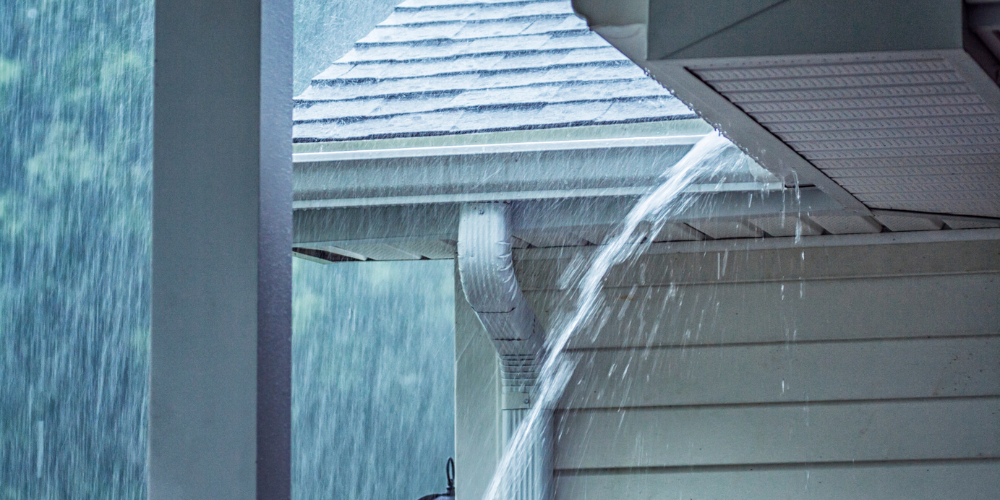
How Georgia Weather Affects Your Roof: Heat, Humidity & Storms
Georgia’s climate can be tough on your roof. Between intense summer heat, high humidity, heavy rain, and severe storms, roofing systems in the Southeast face unique challenges. Understanding how local weather impacts your roof can help you prevent damage, extend its lifespan, and avoid costly repairs.
Extreme Heat: The Silent Roof Killer
Georgia summers regularly bring prolonged high temperatures and intense sun exposure. Over time, this can cause:
- Shingle deterioration – Heat dries out asphalt shingles, making them brittle and prone to cracking
- Fading and UV damage – Sun exposure breaks down protective oils in roofing materials
- Thermal expansion – Repeated heating and cooling cycles cause materials to expand and contract, loosening fasteners and seals
Without proper ventilation, trapped heat in the attic can significantly shorten the life of your roof.
High Humidity: Moisture You Can’t Always See
Humidity is one of the biggest roofing threats in Georgia—even when it’s not raining.
Common humidity-related issues include:
- Mold and mildew growth on shingles and in attic spaces
- Wood rot in decking and structural components
- Condensation buildup due to poor ventilation
Over time, trapped moisture can weaken your roof from the inside out, often without obvious exterior signs.
Heavy Rain & Storms: Immediate & Long-Term Damage
Georgia experiences frequent thunderstorms and seasonal severe weather. These storms can lead to:
- Missing or lifted shingles from strong winds
- Leaks around flashing, vents, and chimneys
- Clogged gutters causing water to back up under shingles
- Impact damage from fallen branches or debris
Even minor storm damage can worsen if left unaddressed, leading to leaks and interior damage.
Why Regular Roof Inspections Matter
Because Georgia weather is so demanding, annual or post-storm roof inspections are critical. A professional inspection can identify:
- Early signs of heat or moisture damage
- Loose or damaged shingles
- Weak points before storm season
Catching issues early can save homeowners thousands in repairs.
Final Thoughts
Your roof is your home’s first line of defense against Georgia’s climate. Heat, humidity, and storms are unavoidable—but with proper materials, ventilation, and maintenance, your roof can stand up to the challenge. Partnering with a local roofing professional ensures your roof is built and maintained for Georgia conditions.