

Seasonal Roof Maintenance Checklist for Georgia Homeowners
Introduction
Georgia weather can be unpredictable — blistering heat in the summer, heavy rainfall in spring and fall, sudden storms, and the occasional freeze. All of these conditions put constant pressure on your roof. The best way to protect your home is to follow a simple seasonal maintenance plan.
Here’s your complete year-round roof maintenance checklist, designed specifically for Georgia homeowners.
SPRING: Repair Winter Wear & Prep for Storm Season
1. Inspect Shingles and Flashing
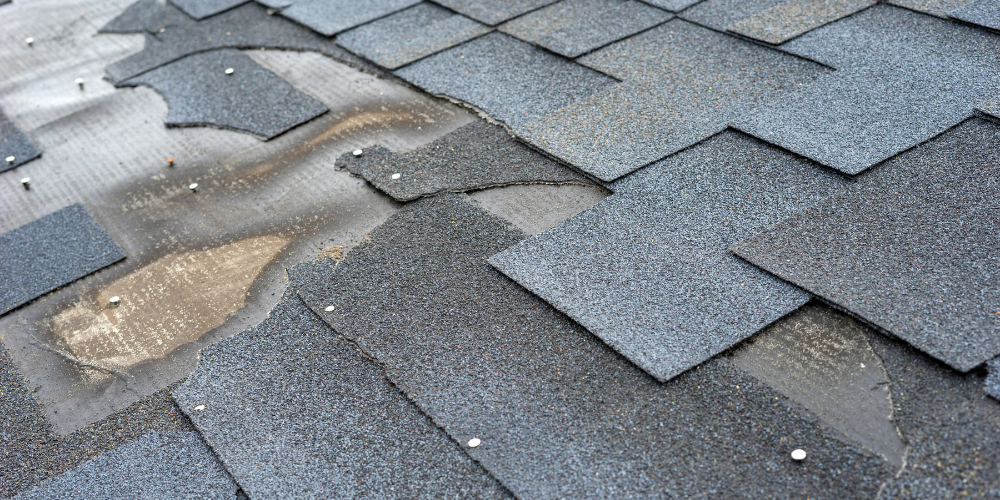
Winter wind, rain, and temperature swings can loosen or damage shingles.
Look for:
- Missing or cracked shingles
- Loose flashing around chimneys, skylights, vents
- Bowing or uneven roof sections
2. Clean Gutters and Downspouts
Leaves, pine needles, and debris accumulate over winter.
Clear gutters to prevent:
- Overflow
- Water pooling at the roofline
- Fascia damage
3. Check the Attic for Moisture
Look for:
- Damp insulation
- Water stains
- Mold or mildew
Early detection prevents expensive repairs.
4. Trim Overhanging Branches
Spring storms can snap branches and send them crashing onto your roof.
Trimming limbs protects your shingles and gutters.
SUMMER: Manage Heat, Humidity & Storms
1. Inspect for Sun Damage
Georgia summers are harsh. UV rays cause:
- Shingle fading
- Granule loss
- Early wear
If granules appear in your gutters, it’s time for an inspection.
2. Check Ventilation & Attic Temperature
Excess heat can shorten your roof’s lifespan and raise energy bills.
Make sure intake and exhaust vents are working properly.
3. Remove Debris After Storms
Summer storms can drop twigs, leaves, and debris onto your roof.
Remove buildup to prevent moisture traps and mold.
FALL: Prepare for Cooler Weather & Increased Rainfall
1. Clean Gutters Thoroughly
Fall is the heaviest season for leaf buildup.
Clogged gutters can cause:
- Water overflow
- Roofline rot
- Foundation damage
2. Inspect Roof for Wind Damage
Fall storms can loosen shingles or flashing.
Check for:
- Lifted shingle corners
- Exposed nails
- Gaps in flashing
3. Check Sealant Around Roof Penetrations
Make sure seals around vents, skylights, and chimneys are intact before winter moisture sets in.
4. Ensure Attic Insulation Is Sufficient
Proper insulation keeps heating costs manageable and prevents moisture problems.
WINTER: Protect Against Moisture & Cold Snaps
1. Look for Leaks After Heavy Rain
Sure signs include:
- Stains on ceilings
- Damp insulation
- Sudden musty smells
Address issues immediately — winter moisture spreads fast.
2. Keep Gutters Clear
Even in winter, debris collects. Clogged gutters can freeze and damage fascia and shingles.
3. Watch for Sagging or Structural Stress
Heavy rainfall or rare freezing conditions can put weight on older roofs.
If anything looks uneven, schedule an inspection.
4. Perform a Pre-Winter Roof Check
A quick professional inspection helps catch hidden issues before cold weather arrives.
Conclusion
Seasonal maintenance is the key to extending your roof’s lifespan and protecting your home from costly damage. Georgia homeowners face unique weather challenges, but with this simple year-round checklist, you can stay ahead of problems before they become expensive repairs.

Roof Ventilation and Insulation: How to Keep Your Home Energy Efficient Year-Round
Introduction
Your roof plays a much bigger role than simply protecting your home from the elements — it directly affects your energy bills, indoor comfort, and even the lifespan of the roofing materials. Proper roof ventilation and insulation work together to regulate temperature, manage moisture, and keep your home energy efficient throughout every season.
Here’s why these two elements matter, how they work, and what you can do to ensure your home stays comfortable year-round.
1. Why Roof Ventilation Matters
Roof ventilation allows fresh air to circulate through your attic, preventing heat and moisture from becoming trapped. Without proper airflow, your roof and attic can experience a range of problems — especially in Georgia’s hot, humid climate.
Key Benefits of Proper Roof Ventilation
- Reduces heat buildup in the attic during summer
- Helps lower cooling costs by reducing strain on your HVAC system
- Prevents excess moisture that can lead to mold, mildew, and wood rot
- Extends roof life by reducing shingle warping and underlayment deterioration
- Balances indoor temperature, reducing hot spots in the home
High attic temperatures can reach 150°F+ in Georgia summers. Proper ventilation helps your roof and cooling system work much more efficiently.
2. How Roof Ventilation Works
Ventilation systems use two types of vents to create airflow:
Intake Vents (usually at the soffits)
These bring cool, fresh air into the attic.
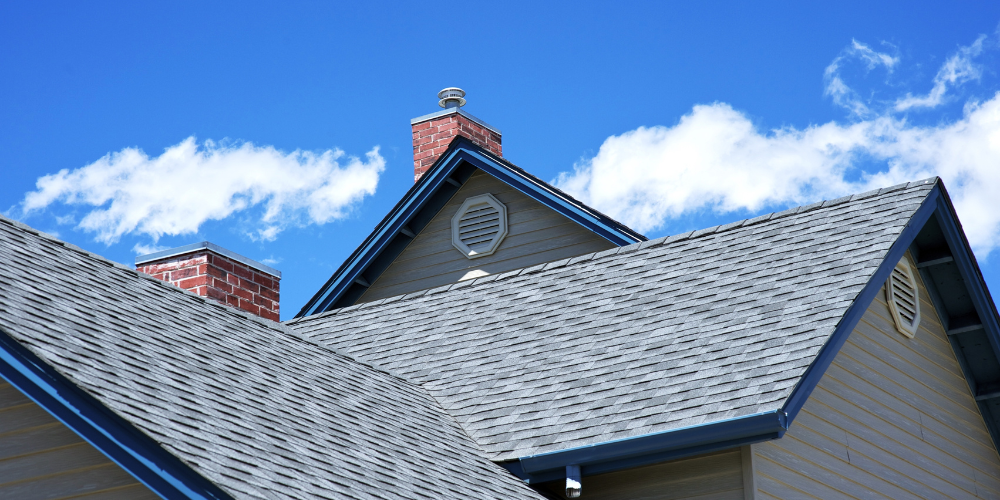
Exhaust Vents (ridge, gable, or box vents)
These allow hot, stale air to escape.
Together, they create a continuous flow of air that removes heat and moisture naturally. Without both intake and exhaust, airflow becomes imbalanced — which is a common cause of energy inefficiency and roof deterioration.
3. Why Roof Insulation Is Just as Important
Insulation and ventilation work hand-in-hand. While ventilation removes excess heat, insulation keeps your conditioned air where it belongs — inside your living space.
Benefits of Proper Roof/Attic Insulation
- Keeps warm air inside during winter
- Keeps cool air inside during summer
- Reduces HVAC usage and energy costs
- Prevents condensation and moisture buildup
- Stabilizes indoor temperature
Georgia homeowners benefit most from blown-in insulation or spray foam, which both offer excellent coverage and efficiency.
4. Signs Your Roof Ventilation or Insulation May Need Attention
Watch for these red flags:
- Rooms that are too hot in summer or too cold in winter
- Higher-than-usual energy bills
- Musty or humid attic
- Mold or mildew on attic beams
- Ice dams in winter (less common in GA, but still possible in cold snaps)
- Curling or deteriorating shingles
- AC running constantly without cooling the home effectively
If you notice any of these issues, your ventilation or insulation may be insufficient.
5. When to Upgrade or Improve Your System
Consider upgrading your ventilation or insulation if:
- Your home is more than 10–15 years old
- You’re replacing your roof
- You see signs of moisture or mold
- Your attic is extremely hot to the touch
- You experience uneven home temperatures
- Your energy bills continue to rise
Roof replacement is often the perfect time to address ventilation issues — it’s easier, cost-effective, and improves roof lifespan.
Conclusion
Roof ventilation and insulation may be out of sight, but they should never be out of mind. These two components are key to a durable roof and an energy-efficient home — especially in Georgia’s extreme seasonal weather.