

Why Proper Roof Ventilation Matters More Than Most Homeowners Realize
Most homeowners don’t think much about attic ventilation — until a problem appears. But the truth is, ventilation is one of the most important elements of a healthy roofing system. Without it, your roof ages faster, your home runs hotter, and moisture damage can start to form silently.
Let’s break down why ventilation matters — and how to tell if your home needs improvement.
Your Roof Needs to Breathe
Your attic and roof system are constantly experiencing changes in:
- Temperature
- Moisture
- Airflow
Without proper ventilation, heat and humidity get trapped in the attic. When that happens, two major issues appear:
1. Heat Buildup
Hot air rises — and without a way to escape, it becomes trapped at the peak of your roof.
This leads to:
- Higher energy bills
- Warped decking and shingles
- Shorter shingle lifespan
In Georgia summers, attics can exceed 150°F. That extreme heat bakes your roof from the inside out.
2. Moisture & Condensation
Moisture naturally moves upward from bathrooms, kitchens, and laundry rooms.
If that moisture collects in the attic, it can:
- Create mold and mildew
- Rot the wooden roof structure
- Damage insulation
- Cause interior leaks
This happens most in cooler months — when warm indoor air meets a cold roof surface and condenses.
How to Tell If Your Ventilation Is Failing
Common signs include:
- Hot upstairs rooms
- AC running constantly
- Rusted nails in the attic
- Musty smell in the attic
- Wavy or curling shingles
- Ice dams in colder regions (less common in GA)
If any of these sound familiar, ventilation may be the cause — not the roof material itself.
Why Ventilation Matters When Replacing a Roof
Even the best shingles won’t last long without proper airflow.
Correct ventilation:
- Helps your roof reach its full lifespan
- Reduces energy costs
- Prevents heat and moisture damage
- Keeps your home more comfortable year-round
It’s one of the highest-value investments you can make in your roof — and one of the least understood.
Bottom Line
A roof is more than shingles — it’s a complete system.
Proper airflow keeps your home healthy, efficient, and protected.
If you’re unsure whether your attic ventilation is working properly, we can check it during a free roof inspection.
We’ll show you what’s working, what’s not, and what can be improved — plain and simple.
Book your free roof system evaluation today.

Storm Season in Georgia: What Hail and Wind Actually Do to Your Roof
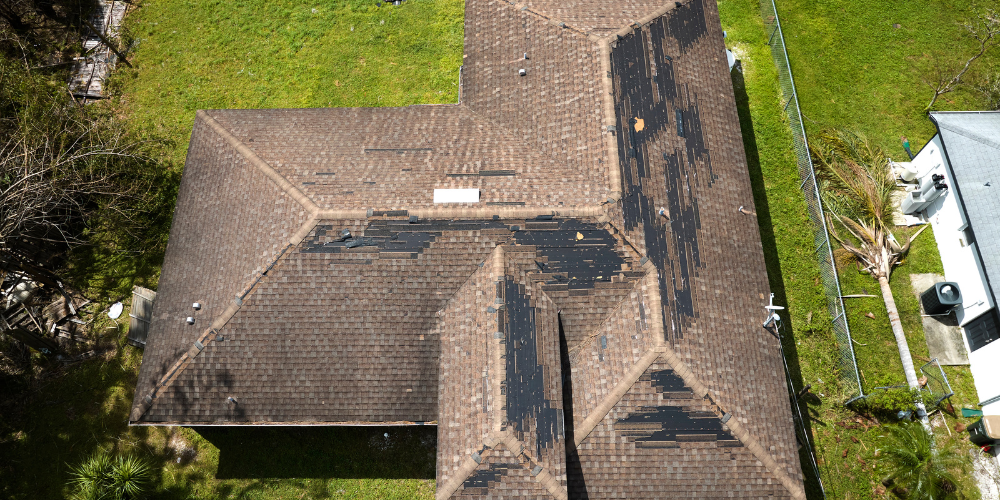
Georgia storm season can be unpredictable — one minute it’s sunshine, the next it’s hail, high winds, and heavy rain. Even if your roof looks fine from the ground after a storm, that doesn’t mean it’s not damaged. A lot of roof damage is subtle and difficult to see, and it can slowly worsen over time if left untreated.
Here’s what hail and wind really do to a roof — and why it’s worth getting it checked sooner rather than later.
How Hail Damages Your Shingles
When hail hits a roof, it doesn’t always crack the shingles right away. More commonly, it knocks off the protective granules on the surface of the shingle.
Those granules are what protect your roof from:
- UV sunlight damage
- Heat breakdown
- Water penetration
When granules are knocked off, it leaves soft, bruised spots on the shingles that begin to deteriorate faster than the rest of the roof. Over time, those spots turn into cracks, and cracks turn into leaks.
And once water gets in — the damage spreads quickly.
What Wind Damage Looks Like
Strong winds don’t always rip shingles off. More often, they lift them.
When a shingle lifts, even for a moment, the seal underneath breaks. This creates tiny entry points where water can sneak in during the next rainstorm.
Signs of wind damage:
- Loose shingles
- Creases across shingle tabs
- Thin lines where granules have worn
- Shingles flapping or rattling in the wind
Again — not always visible from the yard.
Why Storm Damage Isn’t Always Immediate
Storm damage is often progressive, meaning the real issues show up months or even years later:
- Slow leaks that stain ceilings
- Musty smells in closets and attic spaces
- Wood rot and mold
- Sagging areas in the roof deck
This is why insurance companies recommend documented inspections after severe weather.
The Good News
Most storm damage is covered by insurance when documented correctly.
And the inspection is free — no cost, no pressure, no commitment.
Bottom Line
If a storm has recently hit your area, don’t assume your roof is fine just because it looks okay from the ground. Small damage today turns into expensive repairs later.
A quick inspection now protects your home — and your wallet.
Schedule a free storm damage roof assessment.
We’ll document everything so you’re covered if an issue shows up later.